Comfort Is a Feeling, Not a Measure
Many divers assess readiness based on how they feel: relaxed, familiar, unchallenged. Comfort is reassuring—but it is not evidence of capability.
Comfort reflects familiarity, not performance under stress. Technical diving training distinguishes clearly between how safe a diver feels and how well they can perform when conditions deteriorate.
Why Confidence Can Be Misleading
Confidence often grows faster than competence. Early success reinforces belief, even when skills have not been tested meaningfully.
This mismatch creates risk. Advanced technical diving progression intentionally challenges confidence to expose gaps before they become dangerous.
Competence Is Revealed Under Load
True competence appears when:
- Stress increases
- Task loading rises
- Conditions degrade
- Time pressure emerges
Divers who perform well only when relaxed are not prepared for complexity. Technical diving training evaluates skills under realistic operational load.
The Comfort Trap
Comfort encourages shortcuts. Divers may skip checks, relax standards, or push limits because everything “feels fine.”
Most incidents involve divers who were comfortable moments before things went wrong. Advanced technical diving progression treats comfort as a cue to re-engage discipline—not disengage it.

Instructor Perspective: Challenging Comfortable Students
Instructors often encounter students who are calm but underprepared.
At N9BO℠, instructors deliberately introduce controlled stress to verify competence beyond comfort. Calm failure is still failure.
Competence Requires Repeatability
Competence is not a one-time success—it is repeatable performance across conditions.
Professional training demands consistency. Technical diving training emphasises repeatable execution over occasional success.
Confidence Without Verification
Unverified confidence is fragile. When reality contradicts belief, stress spikes and performance collapses.
Advanced technical diving progression builds confidence through repeated verification—not reassurance.
Team Risks of Overconfidence
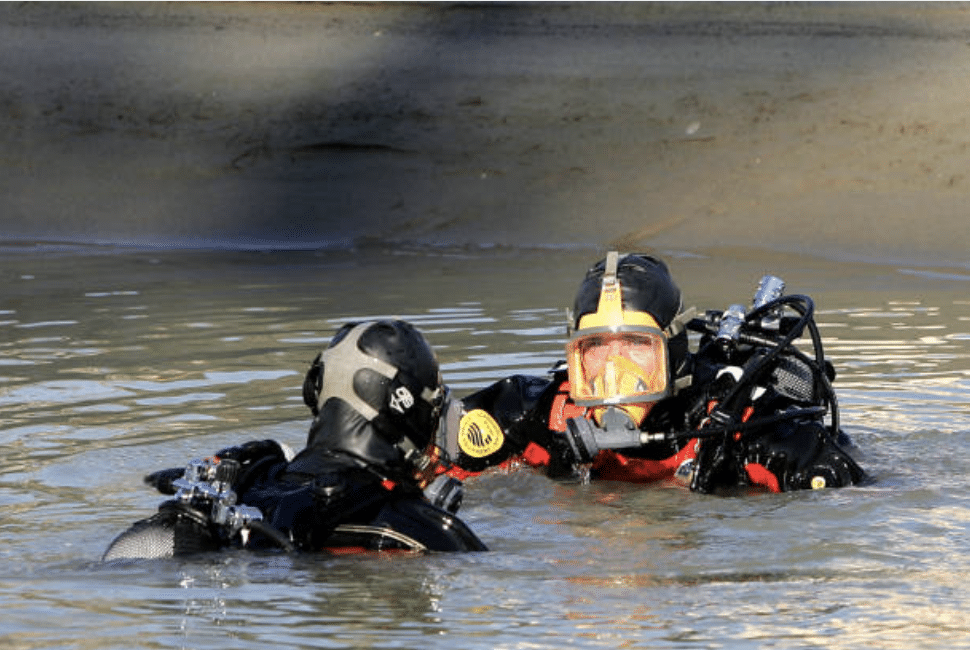
Overconfident divers may dismiss team input or resist aborts.
Professional teams value humility. Technical diving training reinforces that competence includes openness to feedback.
Comfort and Skill Decay
Comfort can hide skill decay. Infrequently practised skills degrade quietly.
Advanced technical diving progression requires regular demonstration of core competencies to prevent drift.
Professional Parallels
In aviation and emergency response, overconfidence is recognised as a risk factor.
Technical diving mirrors this understanding. Comfort is not trusted—performance is.
The Bottom Line
Comfort feels good.
Competence keeps you alive.
In technical diving, the safest divers are not those who feel the most relaxed, but those whose skills hold up when comfort disappears.
At N9BO℠, confidence is earned through competence—not assumed.
Feeling Comfortable but Want to Be Truly Prepared?
Comfort does not always reflect capability. Contact us to discuss training that builds measurable competence and safe performance.
From the N9BO℠ Knowledge Base