What Is Search & Recovery Diving?
Search & Recovery diving involves locating and retrieving objects underwater in a controlled and systematic manner.
These operations may include:
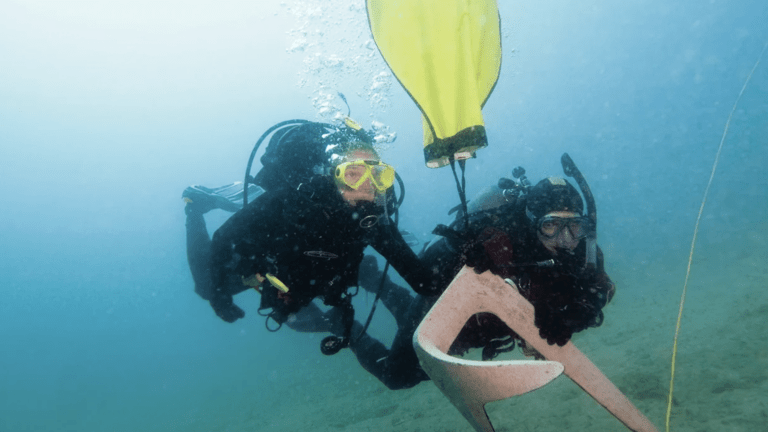
- Lost diving equipment
- Anchors and mooring systems
- Small vessels or machinery
- Evidence and operational items
- Salvage or training objects
Unlike standard sightseeing dives, Search & Recovery operations are objective-driven. The diver enters the water with a defined task, structured procedures, and operational priorities.
The environment itself becomes secondary to mission completion, requiring divers to balance awareness, navigation, communication, and physical task management simultaneously.
At N9BO℠, we describe Search & Recovery diving as controlled underwater problem-solving.
Why Search Skills Matter
Many divers underestimate how difficult locating objects underwater can become, even in relatively shallow water.
Visibility, current, bottom composition, depth, and environmental repetition can make small objects effectively invisible without structured procedures.
A diver searching randomly underwater often wastes:
- Time
- Gas
- Energy
- Situational awareness
Search training introduces systematic methods that improve efficiency and dramatically increase the probability of locating the target.
The course teaches divers how to:
- Define search areas
- Select appropriate search patterns
- Maintain orientation
- Work effectively as a team
At N9BO℠, we emphasise that successful searches depend more on discipline and planning than luck.
Understanding Search Patterns
One of the central components of Search & Recovery diving is the use of structured search patterns.
Depending on the environment and operational objective, divers may use:
- Circular search patterns
- U-patterns
- Expanding square searches
- Jackstay or grid searches
Each pattern is designed to maximise coverage while maintaining orientation and efficiency underwater.
The choice of pattern depends on factors such as:
- Visibility
- Bottom terrain
- Current
- Target size
- Available manpower and equipment
Divers quickly learn that organised procedures produce significantly better results than improvised searching.
At N9BO℠, we treat search methodology as a navigation and planning discipline.
Navigation and Underwater Orientation
Search operations rely heavily on accurate underwater navigation.
Divers must maintain awareness of:
- Direction of travel
- Search boundaries
- Team positioning
- Distance covered
- Exit and ascent points
Compass use therefore becomes critical, particularly during low visibility or large-area searches.
Poor navigation can compromise the entire operation by creating:
- Missed coverage areas
- Diver separation
- Increased gas consumption
- Loss of orientation
Search divers must remain methodical and avoid becoming distracted or rushed during the operation.
At N9BO℠, we teach that navigation discipline directly determines search effectiveness.
Task Loading and Situational Awareness
Search & Recovery diving significantly increases task loading compared to standard recreational diving.
The diver must simultaneously manage:
- Buoyancy and trim
- Navigation
- Environmental awareness
- Search procedures
- Communication and team coordination
- Gas management
This requires calmness and controlled prioritisation.
Divers who become overly focused on locating the object often lose awareness of depth, direction, or gas reserves. Strong Search & Recovery divers learn how to divide attention effectively without losing overall situational control.
At N9BO℠, we emphasise that awareness must always remain broader than the task itself.
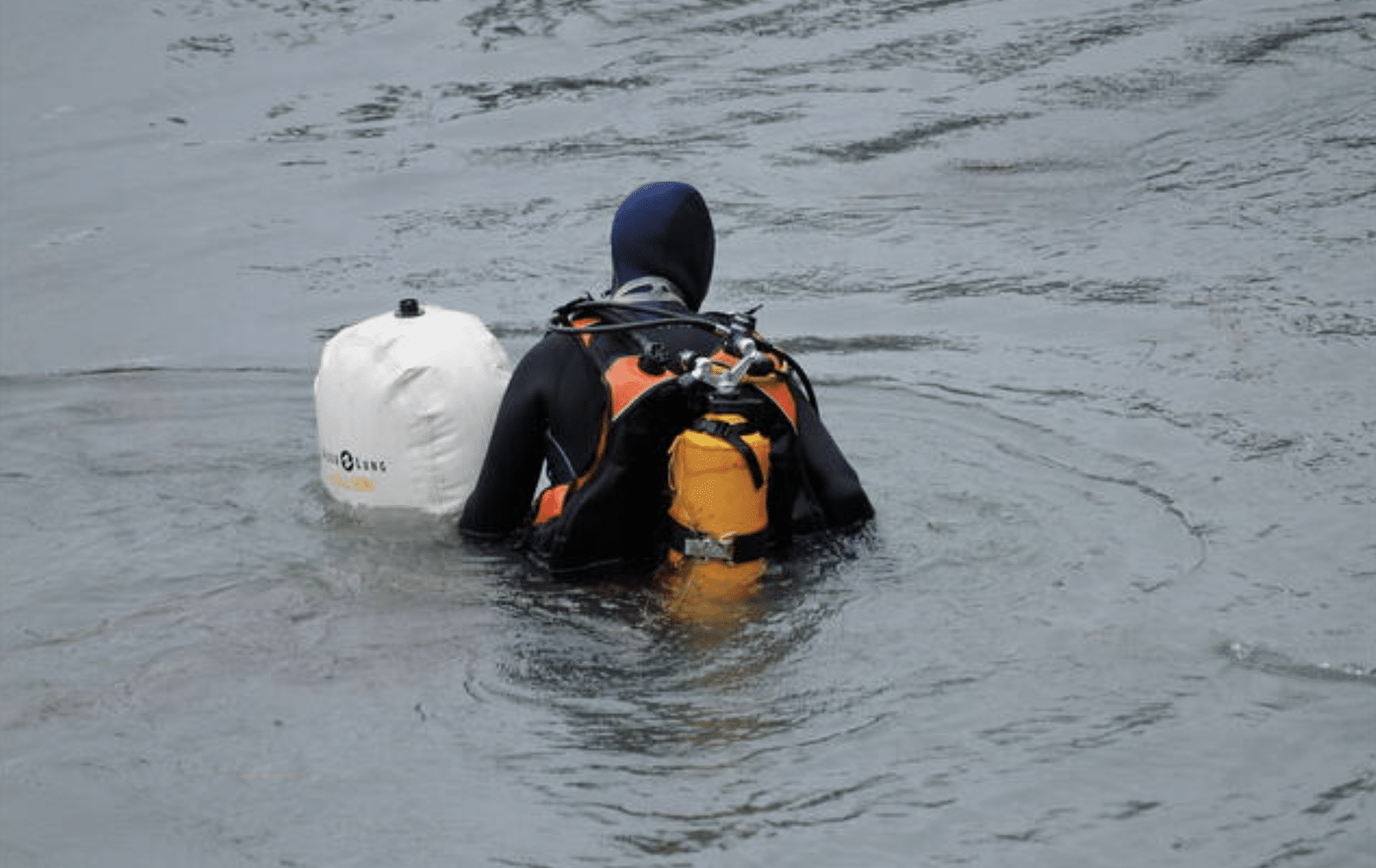
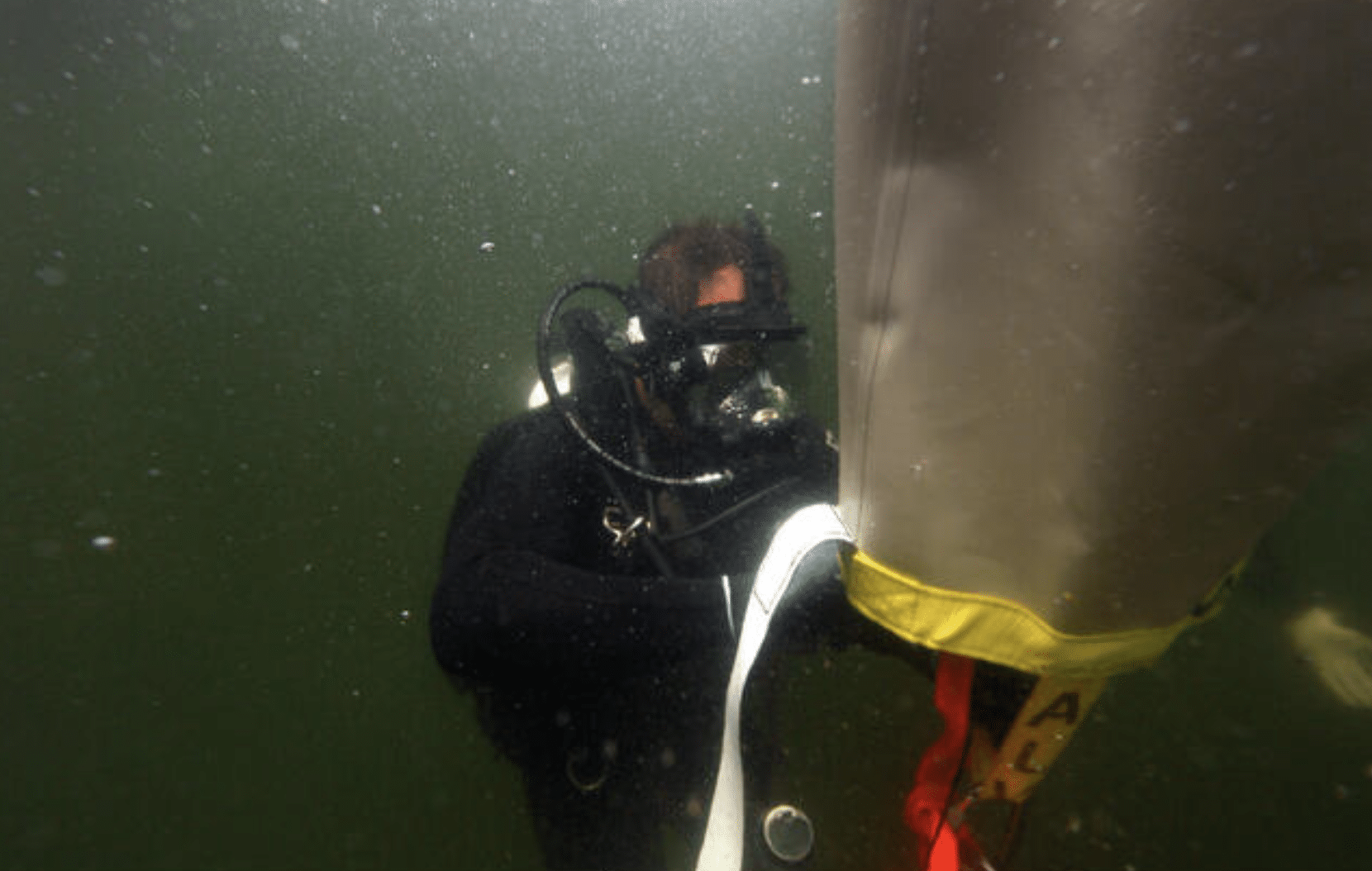
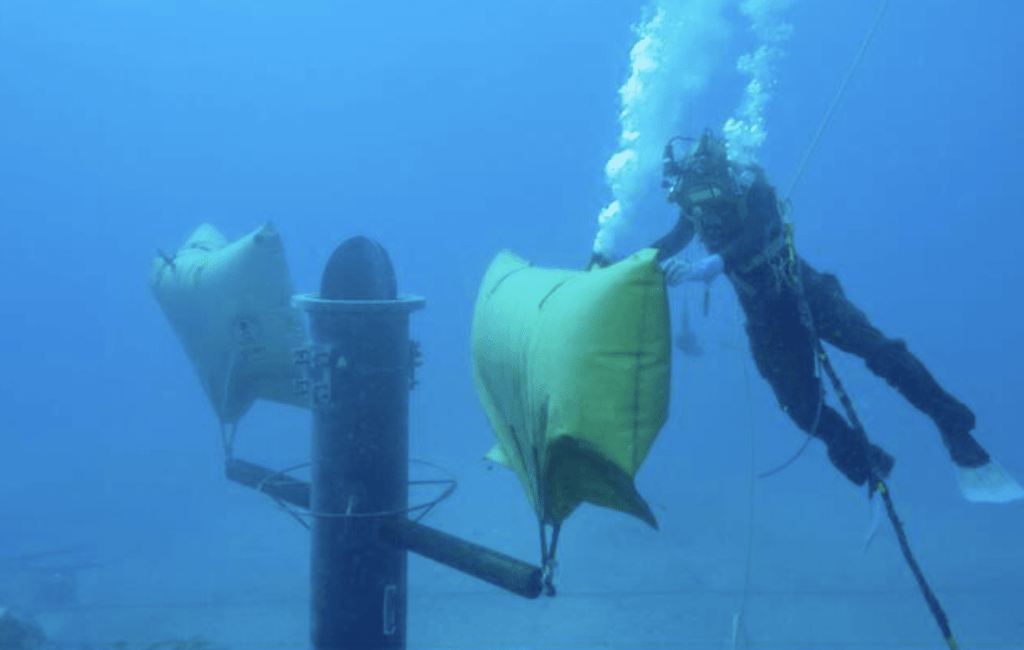
Recovery and Lift Procedures
Locating the object is only part of the operation. Recovery introduces an additional layer of complexity.
Depending on the object, divers may use:
- Lift bags
- Recovery lines
- Mechanical advantage systems
- Controlled towing or lifting procedures
The course introduces principles such as:
- Buoyancy and weight management
- Controlled ascent of recovered objects
- Preventing uncontrolled lift situations
- Securing and rigging objects safely
Poorly managed lift operations can quickly become hazardous due to rapid buoyancy changes or entanglement risks.
For this reason, recovery procedures are conducted methodically and conservatively.
At N9BO℠, we reinforce that controlled lifting is more important than rapid recovery.
Buoyancy and Precision Control
Search operations often occur close to the bottom, making buoyancy control especially important.
Poor buoyancy may:
- Disturb sediment and destroy visibility
- Damage evidence or fragile objects
- Reduce search effectiveness
- Increase diver fatigue and workload
Divers therefore develop:
- Stable trim
- Precise finning techniques
- Controlled hovering ability
- Accurate positioning near the target area
The more stable the diver becomes, the more effective the search operation becomes overall.
At N9BO℠, we teach buoyancy as a precision control system during operational diving.
Teamwork and Communication
Search & Recovery operations are rarely individual activities. Team coordination plays a central role in operational success.
Divers must maintain:
- Clear communication
- Defined responsibilities
- Consistent search spacing
- Structured operational sequencing
Surface support teams may also coordinate:
- Search grids
- Diver tracking
- Lift operations
- Recovery logistics
The operation becomes a coordinated system rather than a collection of individual divers.
At N9BO℠, we emphasise that organised teams outperform highly skilled individuals working independently.
Environmental and Operational Conditions
Search operations frequently occur in less-than-ideal conditions.
Divers may encounter:
- Reduced visibility
- Current and surge
- Cold water
- Entanglement hazards
- Soft sediment or silty bottoms
These conditions increase workload and often reduce efficiency.
The diver must therefore remain calm, patient, and procedural even when progress feels slow.
Operational success often depends on maintaining discipline over time rather than rushing the search.
At N9BO℠, we reinforce that methodical operations consistently outperform aggressive ones underwater.
Applications Beyond Recreational Diving
Search & Recovery skills apply across multiple diving disciplines and industries.
These include:
- Public safety diving
- Salvage operations
- Scientific and archaeological projects
- Commercial diving support
- Operational and military diving environments
The foundational principles remain the same:
- Planning
- Navigation
- Team coordination
- Controlled recovery procedures
For many divers, Search & Recovery training also improves overall underwater awareness and confidence during normal dives.
At N9BO℠, we position Search & Recovery as both a speciality skill and a broader operational development programme.
Operational Mindset
Search & Recovery diving reinforces a critical principle: successful underwater operations depend on procedure, discipline, and controlled execution.
The diver must avoid:
- Tunnel vision
- Rushed searching
- Loss of situational awareness
- Improvised recovery attempts
Instead, effective Search & Recovery operations rely on:
- Structured planning
- Navigation accuracy
- Team coordination
- Calm task management
Strong operational divers are not necessarily the fastest or strongest. They are the divers who remain organised and methodical under pressure.
At N9BO℠, we approach Search & Recovery diving as a discipline built on awareness, precision, and procedural control.
The object may be lost underwater, but the operation itself should never lose structure.
Navigate Underwater with Confidence and Precision
Contact N9BO℠ to begin underwater navigation training and develop the awareness, compass skills, and environmental understanding required to move safely and confidently beneath the surface.
From the N9BO℠ Knowledge Base