Understanding Gas Density in Diving
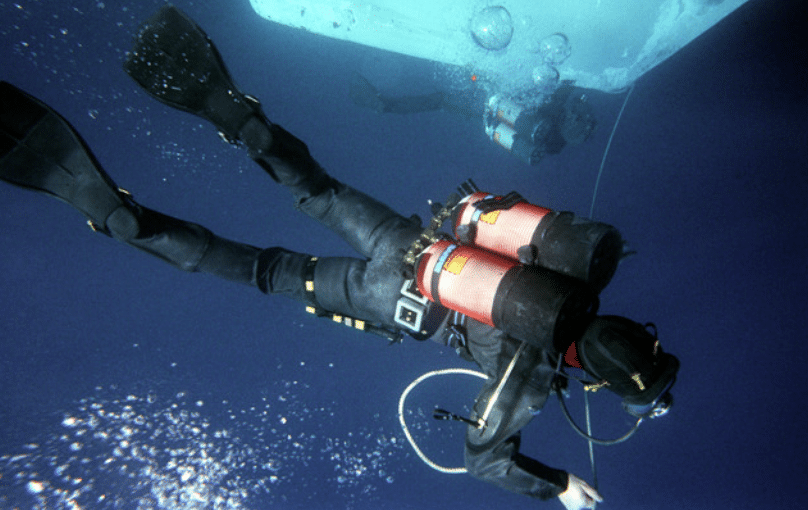
Gas density is a fundamental factor in diving physiology and equipment performance. As ambient pressure increases with depth, the density of the breathing gas increases proportionally. This means that at depth, each breath contains more mass, making it harder to move gas through the airways and the regulator.
This increase is not gradual in its effect. While divers may not notice significant changes in shallow depths, the impact becomes pronounced as depth increases, particularly beyond recreational limits and into technical diving ranges.
At N9BO℠, we treat gas density as a primary operational parameter in deep diving, not a theoretical concept. It directly influences breathing effort, carbon dioxide retention, and overall diver safety.
Work of Breathing and Its Consequences
Work of breathing (WOB) refers to the effort required to inhale and exhale. As gas density increases, this effort rises. Regulators must deliver denser gas, and the diver must overcome greater resistance in both the equipment and their own respiratory system.
The consequences are not limited to discomfort. Increased work of breathing leads to elevated carbon dioxide (CO₂) levels due to inefficient ventilation. This is a critical factor, as CO₂ retention is a primary contributor to multiple diving incidents.
Elevated CO₂ can result in:
- Increased breathing rate and perceived air hunger
- Reduced cognitive performance and impaired decision-making
- Heightened susceptibility to nitrogen narcosis
- Increased risk of panic and loss of control
These effects compound quickly. What begins as slightly increased effort can escalate into a critical situation if not managed early.
At N9BO℠, we emphasise that CO₂ management is central to safe deep diving, and gas density is a key driver of that risk.
Depth, Pressure, and Density Relationship
The relationship between depth and gas density is directly linked to ambient pressure. As pressure increases, gas molecules are compressed into a smaller volume, increasing density.
This means that:
- At 30 metres, gas density is approximately four times that at the surface
- At 60 metres, it is approximately seven times greater
- At 100 metres, the increase becomes operationally critical
This exponential effect explains why gas that feels manageable at shallow depths becomes difficult to breathe at greater depths. The regulator may still function correctly, but the physical effort required increases significantly.
At N9BO℠, we ensure that divers understand this relationship in practical terms, not just theoretical values.
Gas Selection and Density Management
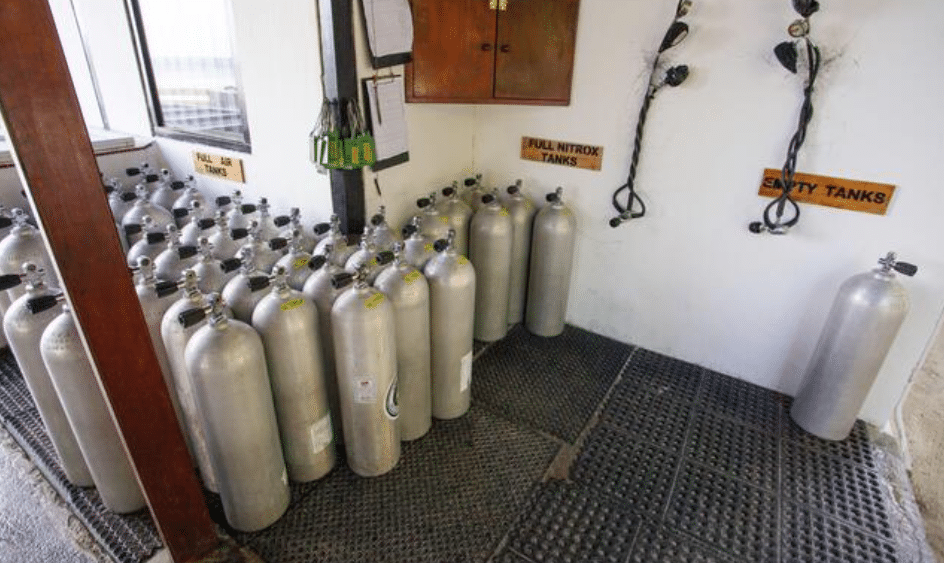
Managing gas density is primarily achieved through gas selection. Different gases have different molecular weights, which directly influence density.
Air, composed largely of nitrogen and oxygen, becomes increasingly dense at depth. To reduce density, lighter gases such as helium are introduced into the breathing mix. This is the basis of trimix diving.
The objective is to maintain gas density within manageable limits to reduce work of breathing and CO₂ retention.
Operational considerations include:
- Selecting gas mixes appropriate for planned depth
- Avoiding excessive nitrogen fractions at depth
- Incorporating helium to reduce overall density
At N9BO℠, gas planning is approached as a risk management process. Density limits are considered alongside oxygen exposure and decompression requirements.
Operational Limits and Industry Guidance
There are accepted operational thresholds for gas density. While exact values may vary depending on training agency and context, general guidance suggests that gas density should remain below approximately 6 g/L for working portions of the dive, with lower values preferred.
Exceeding these limits increases the likelihood of:
- Elevated work of breathing
- CO₂ retention
- Reduced diver performance
- Increased incident probability
These limits are not theoretical recommendations. They are based on physiological response and incident analysis.
At N9BO℠, we incorporate conservative density limits into dive planning to ensure that divers operate within manageable physiological boundaries.
Equipment Considerations
While gas density is primarily a function of depth and gas composition, equipment performance also plays a role. Regulators must deliver gas efficiently under increased demand and pressure.
Poorly maintained or inappropriate equipment increases resistance, compounding the effects of high gas density. This further elevates work of breathing and accelerates CO₂ buildup.
Key equipment considerations include:
- High-performance regulators rated for deep or technical diving
- Proper maintenance and servicing
- Hose routing and configuration that minimises resistance
However, equipment cannot compensate for excessive gas density. It can only reduce additional resistance.
At N9BO℠, we emphasise that equipment supports performance, but gas selection determines physiological limits.
Workload and Environmental Factors
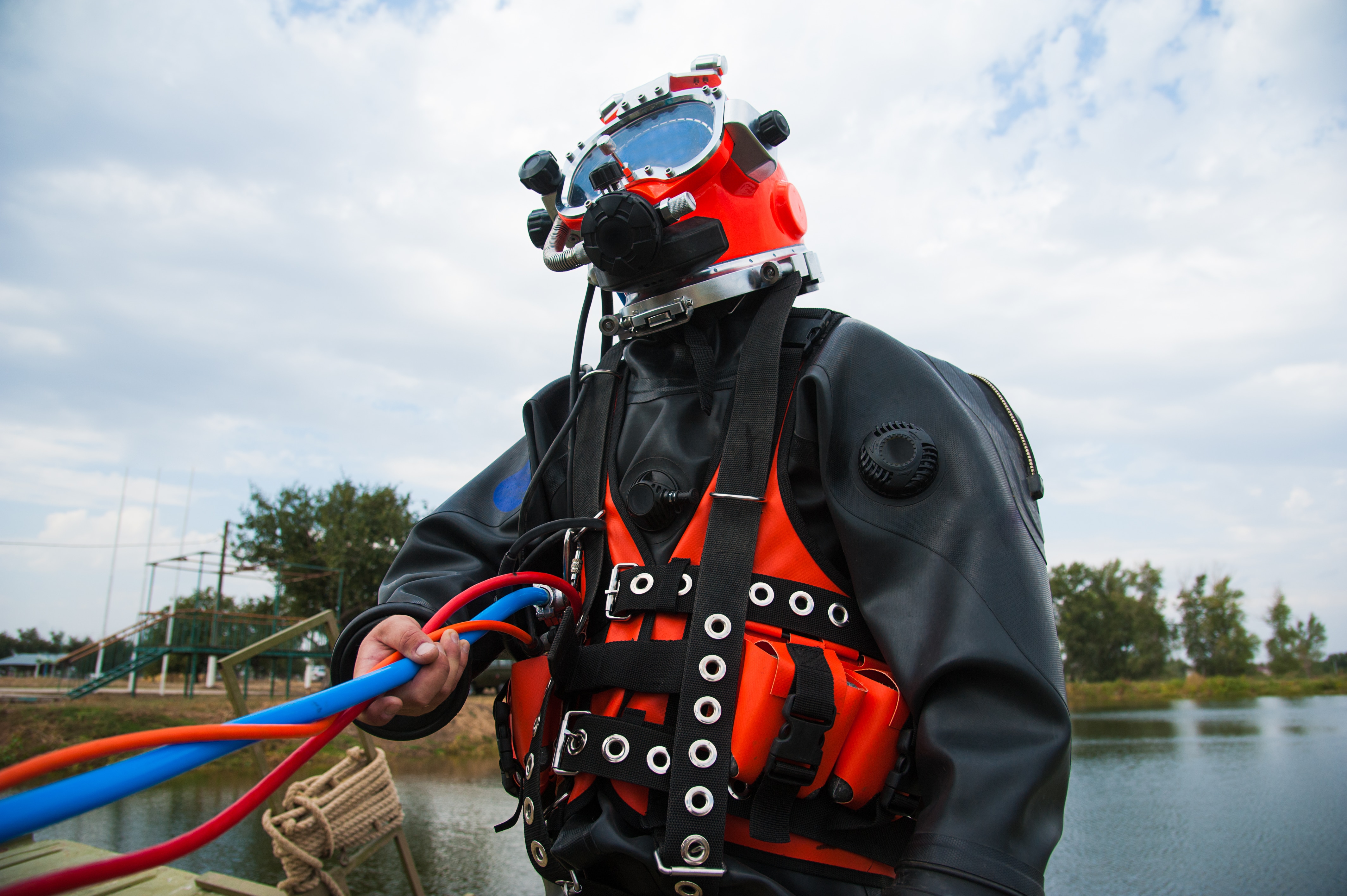
Work of breathing is not determined by gas density alone. Physical workload and environmental conditions significantly influence respiratory demand.
Factors that increase breathing demand include:
- Current or surge requiring physical effort
- Task loading, such as carrying equipment or performing work
- Stress and anxiety increasing breathing rate
- Poor trim or inefficient movement
When combined with high gas density, these factors can rapidly lead to CO₂ retention and loss of control.
Managing workload is therefore a critical component of deep diving safety. Reducing unnecessary exertion, maintaining efficient movement, and controlling stress all contribute to maintaining manageable breathing effort.
At N9BO℠, we integrate workload management into dive planning, recognising its direct impact on respiratory physiology.
Recognition and Early Intervention
One of the challenges with increased work of breathing is that it can develop gradually. Divers may not immediately recognise the onset of CO₂ retention or increased respiratory effort.
Early indicators include:
- Unusual shortness of breath
- Increased breathing rate without corresponding workload
- Difficulty maintaining calm, controlled breathing
- Reduced clarity of thought
Ignoring these signs allows the situation to escalate. Early intervention is essential.
Appropriate responses may include:
- Reducing workload immediately
- Ascending to a shallower depth
- Signalling the team and stabilising the situation
At N9BO℠, we train divers to recognise these indicators early and respond before escalation occurs.
Operational Mindset
Gas density and work of breathing are often underestimated because they are not immediately visible. However, they are critical factors in deep diving safety and performance.
Understanding the relationship between depth, gas composition, and physiological response allows divers to plan effectively and operate within safe limits. Without this understanding, risk increases significantly, particularly in deeper or more demanding environments.
At N9BO℠, we approach deep diving with a focus on controllable variables. Gas selection, workload management, and awareness of physiological limits are treated as core safety factors.
In deep diving, the ability to breathe efficiently is not guaranteed. It must be planned, managed, and continuously monitored.

Plan Your Gas, Control Your Dive
Contact N9BO℠ to integrate advanced gas planning and deep diving physiology into your training, ensuring your divers operate safely within their limits.
From the N9BO℠ Knowledge Base