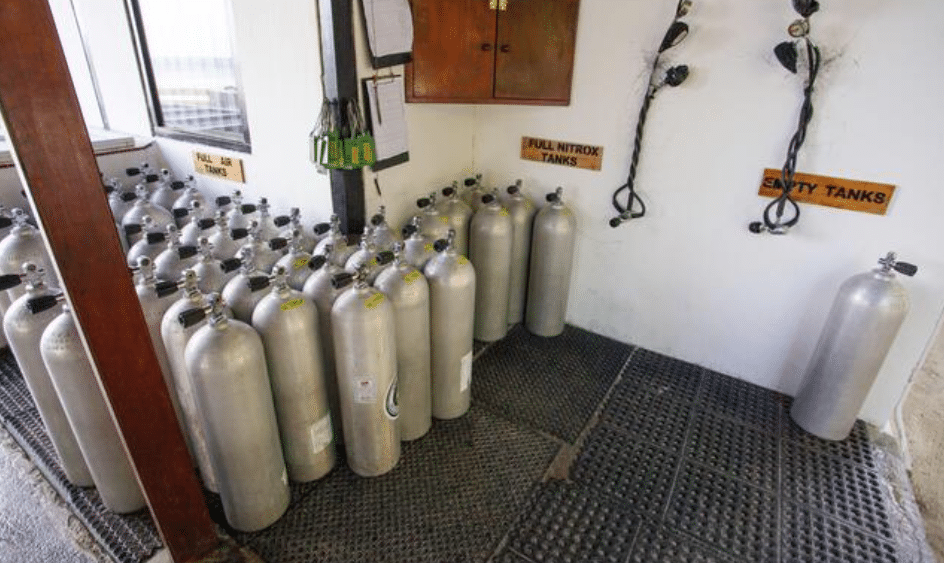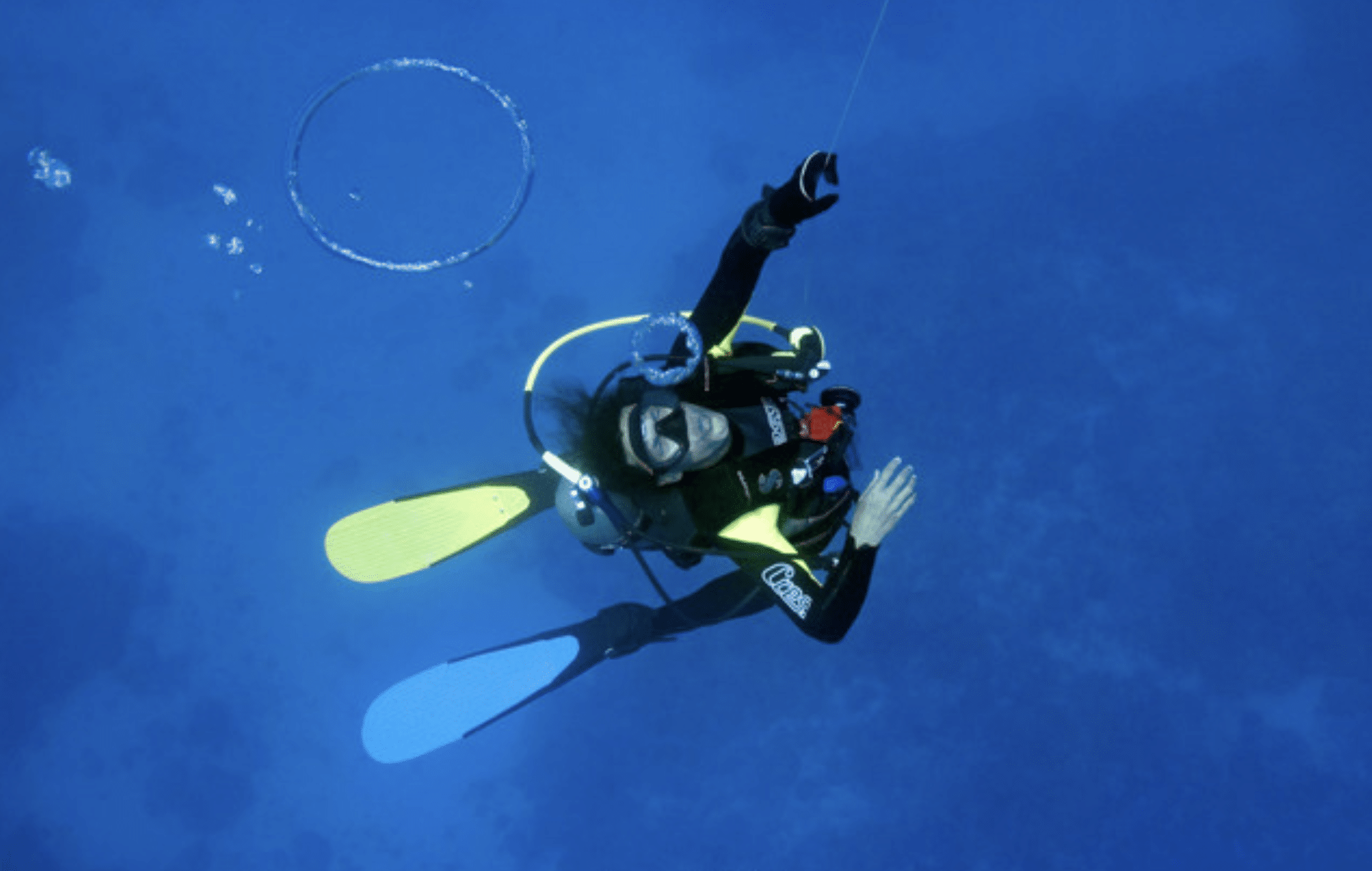
Why Gas Switching Deserves Special Attention
Gas switching is one of the few actions in technical diving where a single mistake can have immediate and severe consequences. Breathing the wrong gas at the wrong depth can result in oxygen toxicity, hypoxia, or severe narcosis within moments.
Despite this, gas switching errors continue to occur—even among trained, experienced divers. This reality underscores a critical truth: gas switching is not primarily a technical problem. It is a human factors problem.
This is why technical diving training treats gas switching as a behavioural discipline, not just a procedural step.
Common Misconceptions About Gas Switching Errors
Many divers assume that gas switching errors occur because someone “forgot” which gas they were breathing or failed to check a label. In reality, most errors happen when divers believe they know what gas they are on.
Confidence, familiarity, and routine can be more dangerous than ignorance. TDI technical diving courses repeatedly demonstrate that the highest-risk moment is not confusion, but assumed certainty.
Gas switching errors often occur during:
- High task load
- Environmental stress
- Schedule pressure
- Fatigue or complacency
Human Factors: Why the Brain Fails Underwater
Underwater environments are hostile to memory and attention. Narcosis, gas density, cold, and exertion all impair working memory. Add task loading and time pressure, and the brain defaults to pattern recognition rather than verification.
This leads to behaviours such as:
- Skipping confirmation steps
- Relying on habit rather than checks
- Misinterpreting cues
Advanced technical diving progression explicitly addresses these vulnerabilities by designing gas switching procedures that do not rely on memory.

The Role of Standardised Procedures
Effective gas switching procedures are deliberately redundant. They include:
- Physical identification (marking, hose routing)
- Depth verification
- Gas analysis confirmation
- Team cross-checks
- Explicit communication
Each step exists because humans are fallible. Technical diving training emphasises that redundancy is not inefficiency—it is protection.
Divers who resist procedural discipline often do so because nothing has gone wrong yet.
Why Speed Is a Risk Factor
Rushed gas switches increase error probability dramatically. Time pressure narrows attention and suppresses verification behaviours.
In training, instructors often see candidates accelerate gas switches to “get it done.” This habit is corrected immediately. Advanced technical diving progression teaches that gas switches should be slow, deliberate, and boring.
Boring gas switches are safe gas switches.
Team Verification: The Most Powerful Safeguard
One of the strongest protections against gas switching errors is team verification. A second set of eyes can catch mistakes that the diver performing the switch cannot.
This requires:
- Clear positioning
- Standardised signals
- Willingness to challenge
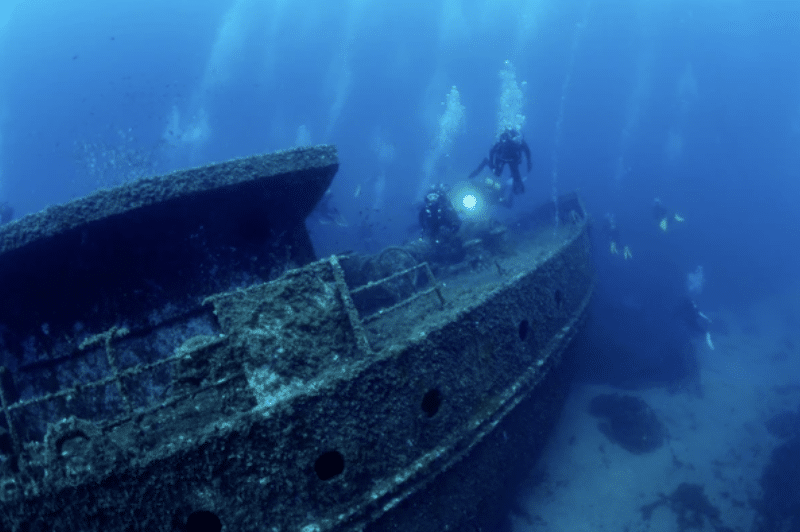
TDI technical diving courses treat gas switching as a team event, not a solo action. Silence during a switch is a warning sign, not efficiency.
Training Under Stress—Without Creating Panic
Gas switching procedures are trained repeatedly under varying conditions. However, training avoids inducing panic. The goal is to reinforce calm, repeatable behaviour even when attention is divided.
At N9BO℠, gas switching drills are integrated gradually with other tasks so that verification remains intact even as complexity increases.
Why Labels and Markings Are Not Enough
Cylinder markings are necessary but insufficient. Labels can be misread, obscured, or misinterpreted under stress or poor visibility.
Technical diving training teaches divers to treat labels as one confirmation step—not the only one. Gas analysis, depth awareness, and team confirmation all reinforce correct behaviour.
Learning From Incidents—Without Blame
Gas switching incidents are analysed not to assign blame, but to understand failure pathways. Most reveal:
- Interrupted procedures
- Missed verification
- Assumed correctness
Blame-focused analysis discourages reporting and learning. Advanced technical diving progression promotes a learning culture where near-misses are treated as valuable data.
Professional Standards and Gas Switching
In professional diving domains, gas switching errors are considered unacceptable precisely because they are preventable. Procedures are designed to be resilient to human error.
Technical diving adopts this professional standard. At N9BO℠, gas switching is taught as a zero-ambiguity operation, regardless of depth or context.
The Bottom Line
Gas switching errors are not caused by lack of knowledge.
They are caused by breakdowns in discipline.
The solution is not confidence, memory, or speed. It is structured behaviour, reinforced through training, repetition, and team accountability.
In technical diving, the correct gas is not assumed.
It is confirmed—every time.

Concerned About Gas Switching Safety?
Gas switching errors are almost always procedural, not accidental. Proper training and repetition are what prevent them. Contact us to discuss safe gas management practices.
From the N9BO℠ Knowledge Base