Confined Spaces Change the Rules of Diving
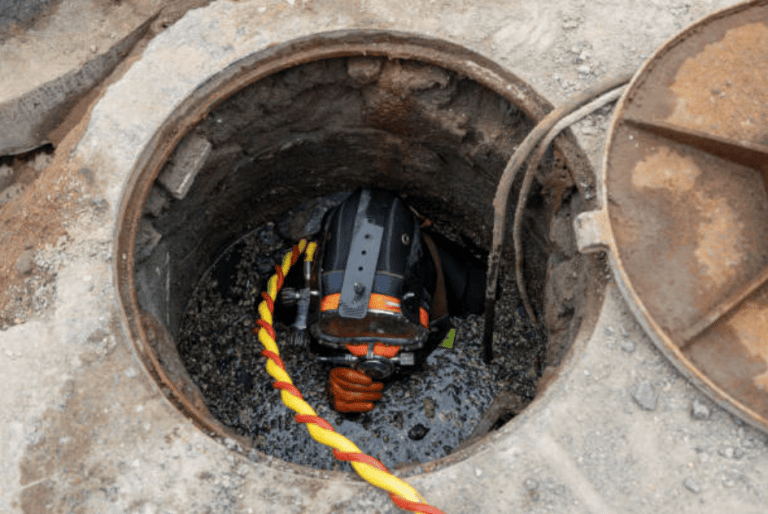
Confined space environments remove one of diving’s most basic safety assumptions: freedom of movement.
Tunnels, culverts, pipes, flooded structures, and submerged compartments constrain divers physically and psychologically, turning small problems into potentially fatal situations.
Why Confined Space Operations Require Specialised Training
Standard diving training assumes open water and multiple exit options.
Confined space operations introduce:
- Restricted entry and exit points
- Overhead hazards
- Entanglement and entrapment risks
- Zero visibility conditions
- Increased gas management complexity
ERDI Confined Space Operations exists because these environments tolerate no improvisation.
Instructor Perspective: Panic Has Nowhere to Go
Instructors often observe that stress escalates faster in confined spaces than in open water.
At N9BO℠, training deliberately prepares divers to control physiological and psychological responses when space, light, and time are limited.
Entry, Exit, and Egress Planning
Every confined space operation begins with a plan to get out.
Training emphasises:
- Defined entry and exit procedures
- Clear abort criteria
- Continuous reference maintenance
- Redundant navigation strategies
Without an exit plan, entry should not occur.
Line Management and Orientation
Lines are lifelines in confined spaces.
ERDI training teaches:
- Proper line placement
- Avoidance of entanglement
- Tactile navigation techniques
- Maintaining orientation when vision fails
Losing the line is often the beginning of a fatal sequence.
Gas Management Under Constraint
Confined spaces increase gas consumption.
Stress, restricted movement, and task loading demand conservative gas planning. Training reinforces reserve discipline and bailout readiness.
Equipment Configuration Considerations
Bulky or poorly configured equipment increases risk.
Training addresses:
- Streamlined setups
- Reducing snag points
- Managing hoses, reels, and tools
Equipment must serve the environment—not fight it.
Team Roles and Communication
Confined space operations are team efforts.
ERDI training reinforces:
- Clear role assignment
- Pre-arranged communication protocols
- Surface and topside coordination
Silence and assumption are dangerous here.
Incident Escalation and Rescue Limitations
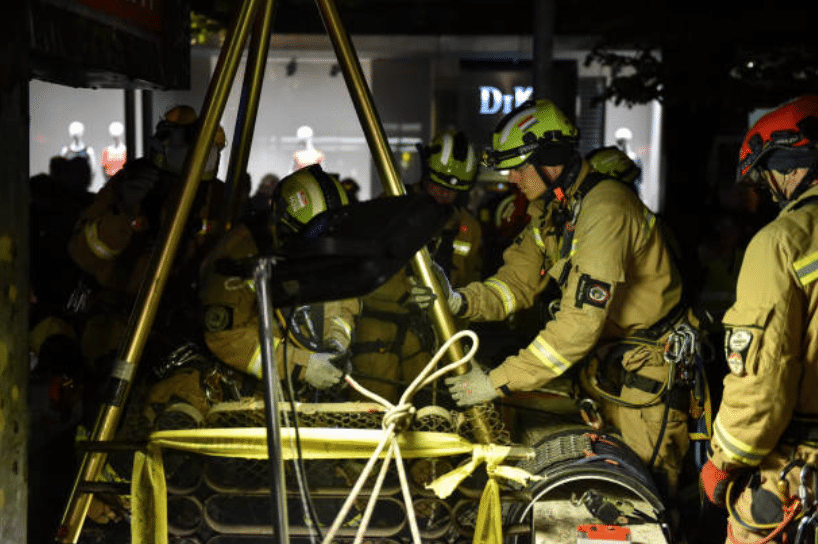
Rescue options inside confined spaces are extremely limited.
Training addresses:
- Self-rescue priority
- Controlled withdrawal
- Recognition of unrecoverable scenarios
Decision-making must be conservative and unemotional.
Common Confined Space Scenarios
ERDI Confined Space Operations prepares divers for:
- Flooded vehicles and structures
- Storm drains and culverts
- Submerged vessels and compartments
- Industrial water systems
Each environment presents unique hazards.
The Bottom Line
Confined space diving leaves no margin for error.
ERDI Confined Space Operations training equips public safety divers with the procedures, discipline, and mindset needed to operate safely where space, visibility, and escape are limited. At N9BO℠, this programme is delivered with realism, conservatism, and unwavering respect for the risks involved.
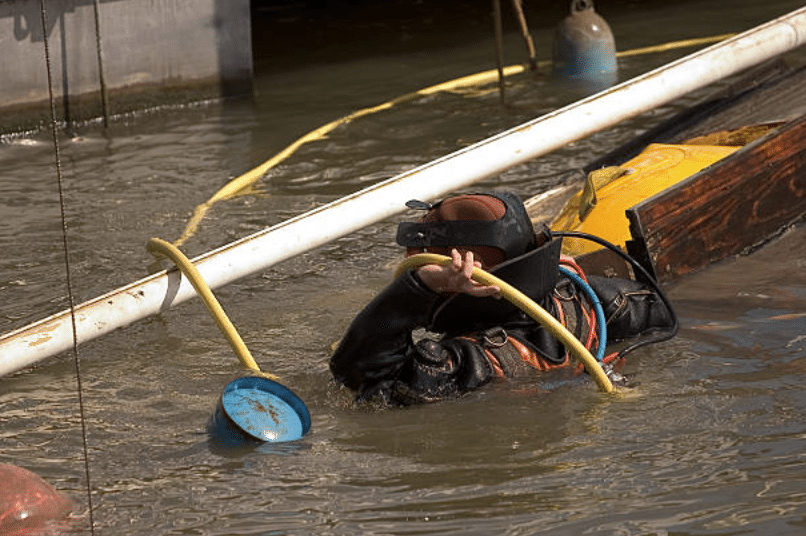
Operating in Restricted or Confined Water Environments?
Confined space diving requires specialised procedures and disciplined training. Contact us to discuss ERDI confined space operations training programmes.
From the N9BO℠ Knowledge Base