The Missed Opportunity After the Dive
For many divers, surfacing marks the end of the process. Gear is packed, stories are exchanged, and attention shifts to logistics or relaxation. While this is natural, it represents a missed opportunity.
The post-dive period is when learning is most accessible. Events are fresh, emotional responses are still present, and memory is vivid. Technical diving training treats debriefing as an integral phase of the dive—not an optional add-on.
Why Experience Alone Does Not Teach
Experience only teaches when it is examined. Without reflection, divers repeat the same patterns—good and bad—without understanding why outcomes occurred.
Divers often say, “The dive went fine,” without analysing how or why. Advanced technical diving progression reframes success as something to be dissected, not assumed.
What Makes a Debrief Effective
An effective debrief is structured, focused, and honest. It examines:
- What was planned
- What actually happened
- Why differences occurred
- What should change next time
This structure prevents debriefs from devolving into storytelling or blame. Technical diving training emphasises process over personality.
Why “Nothing Went Wrong” Is Not Enough
A dive where nothing goes wrong can still reveal important lessons. Subtle inefficiencies, communication gaps, or near-misses often hide beneath successful outcomes.
Ignoring these signals reinforces complacency. Advanced technical diving progression encourages divers to ask, “What nearly went wrong?” rather than stopping at “What went right?”
Psychological Safety in Debriefing
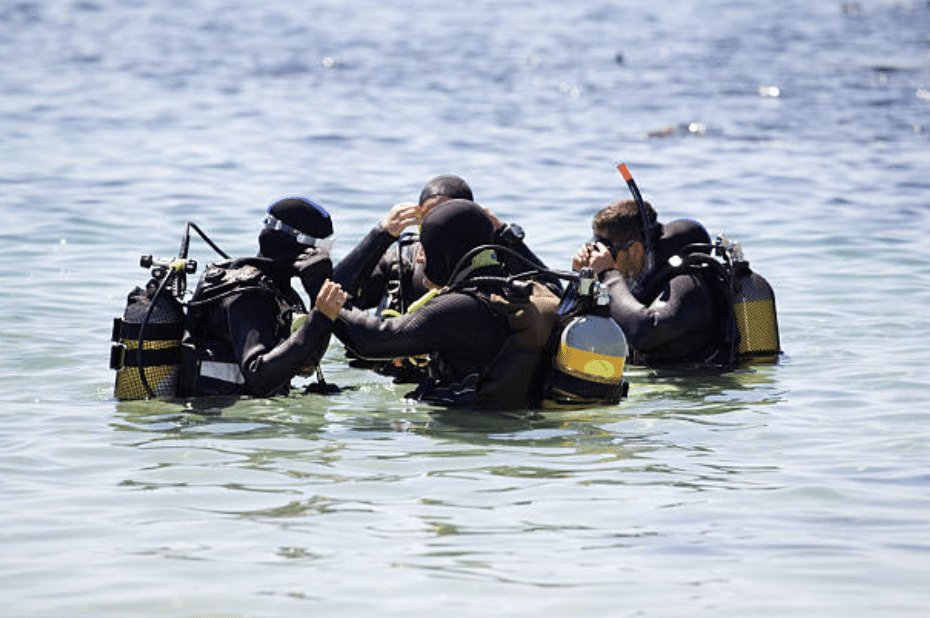
For debriefs to be effective, participants must feel safe to speak openly. Defensive or punitive debriefs suppress learning.
Instructors and team leaders play a critical role in setting tone. At N9BO℠, debriefs are framed as collective problem-solving—not performance reviews.
Separating Outcome From Process
Good outcomes can result from poor process, and bad outcomes can occur despite good process. Confusing outcome with competence leads to flawed conclusions.
Technical diving training trains divers to evaluate decisions, communication, and execution—regardless of how the dive ended.
The Role of Self-Debriefing
Not all dives involve teams or instructors. Self-debriefing is an essential skill for solo practice and independent diving.
Structured questions help:
- Where did I feel rushed?
- When did awareness narrow?
- What would I simplify next time?
Advanced technical diving progression encourages divers to document reflections while memory is fresh.

Instructor Perspective: Teaching Reflection
Instructors often spend as much time teaching how to debrief as how to dive. Candidates who resist reflection typically struggle to progress.
At N9BO℠, debrief quality is treated as a marker of maturity and readiness—not an administrative task.
Debriefing and Team Development
Teams that debrief together develop trust and shared understanding. Over time, they learn each other’s tendencies and improve coordination.
Skipping debriefs deprives teams of this growth. Technical diving training reinforces debriefing as a team discipline.
Professional Parallels
In aviation, emergency response, and military operations, after-action reviews are mandatory. These professions recognise that improvement comes from reflection—not repetition.
Technical diving adopts this same professional approach. Debriefing is where experience becomes expertise.
The Bottom Line
The dive does not end at the surface.
It ends when learning is complete.
Technical diving rewards those who reflect honestly, challenge assumptions, and refine behaviour after every dive. The most accomplished divers are not those who make the fewest mistakes—but those who learn the most from each one.
At N9BO℠, every dive ends with reflection.
Want to Improve Faster After Every Dive?
Proper debriefing turns experience into learning and prevents repeated mistakes. Contact us to discuss structured post-dive evaluation methods.
From the N9BO℠ Knowledge Base