What Is the IDC?
The IDC is the professional-level training programme that transforms Divemasters and qualified dive professionals into instructional-level educators.
Within the PADI system, the IDC consists of two integrated components:
- Assistant Instructor (AI)
- Open Water Scuba Instructor (OWSI)
These may be completed together as a full IDC or separately in stages.
The programme is not simply about passing examinations or memorising standards. It is designed to develop instructional competence, leadership behaviour, and the ability to teach safely and effectively in real operational environments.
At N9BO℠, we describe the IDC as the transition from capable diver to professional educator.
The Development Philosophy
The IDC follows a development-based educational model rather than a purely evaluative one.
Candidates learn through:
- Workshops
- Practical teaching exercises
- Scenario-based learning
- Independent study
- Continuous feedback and coaching
The goal is to allow candidates to make mistakes, improve progressively, and refine performance before attending the Instructor Examination (IE). The programme specifically emphasises development over testing in order to create a lower-stress learning environment that supports skill acquisition and professional growth.
At N9BO℠, we emphasise coaching and refinement rather than intimidation-based instruction.
The Assistant Instructor (AI) Programme
The Assistant Instructor programme is the first stage of instructor development and expands the role of a Divemaster into instructional assistance and limited teaching responsibilities.
The AI course develops:
- Teaching presentation skills
- Knowledge development techniques
- Confined water instructional ability
- Understanding of PADI standards and procedures
Candidates begin learning how to organise, conduct, and evaluate training while working within the PADI educational system. The programme also familiarises candidates with administrative procedures, risk management, and student control.
The AI programme is often chosen by:
- Divemasters preparing for full instructor training
- Dive professionals wanting gradual progression
- Individuals seeking instructional experience before attending a complete IDC
At N9BO℠, we view the AI programme as the bridge between assisting instruction and leading it.
Assistant Instructor Training Structure
The AI programme includes:
- Academic workshops
- Teaching presentations
- Confined water evaluations
- Open water instructional exercises
- Dive skill assessments
Candidates must demonstrate competency in:
- Knowledge development presentations
- Confined water teaching
- Open water teaching
- Dive skill demonstrations
- Rescue capability and watermanship
The programme also requires completion of standards and procedures assessments as well as skill evaluations with role-model quality performance.
This creates a structured professional foundation before progressing toward full instructor certification.
At N9BO℠, we emphasise consistency and professionalism from the beginning of instructor development.
The Open Water Scuba Instructor (OWSI) Programme
The OWSI programme completes the remaining instructor development components required before attending the PADI Instructor Examination.
It is designed for:
- PADI Assistant Instructors
- Qualified instructors crossing over from other agencies
- Returning instructors regaining teaching status
The programme expands instructional capability significantly and focuses heavily on:
- The PADI educational philosophy
- Teaching system application
- Risk management
- Course organisation and scheduling
- Student diver control and supervision
Candidates refine both confined water and open water instructional techniques while developing the professionalism expected of a PADI Instructor.
At N9BO℠, we explain the OWSI programme as the stage where candidates stop “assisting” instruction and begin functioning as instructors.
Teaching Presentations and Instructional Development
A major component of the IDC involves learning how to teach effectively.
Candidates develop:
- Classroom presentation techniques
- Student interaction skills
- Briefing and debriefing methods
- Error recognition and correction
- Positive coaching techniques
The focus is not simply on delivering information, but on creating structured learning experiences that improve student understanding and safety.
Candidates practise:
- Knowledge development presentations
- Confined water teaching presentations
- Open water teaching presentations
Each presentation is evaluated against objective criteria to ensure consistency and instructional quality.
At N9BO℠, we prioritise communication clarity, calmness, and instructional control.
Dive Theory and Standards
Professional instructors must understand more than practical diving skills alone.
IDC candidates study:
- Diving physics
- Physiology
- Equipment systems
- Decompression theory
- Environment
- Risk management and legal considerations
Candidates must also develop a strong understanding of:
- PADI Standards and Procedures
- Quality assurance principles
- Administrative requirements
- Professional responsibilities
This theoretical foundation supports safer instruction and better decision-making.
At N9BO℠, we emphasise that instructors must understand not only how procedures work, but why they exist.
Rescue Capability and Watermanship
Instructor candidates are expected to demonstrate strong in-water capability and rescue competence.
Requirements include:
- Full dive skill evaluations
- Surface rescue scenarios
- Unresponsive diver management
- Watermanship assessments
- Timed swim and survival exercises
These exercises reinforce that instructors are role models both in and out of the water.
Professionalism is measured not only through teaching ability, but also through calmness, awareness, and personal diving standards.
At N9BO℠, we expect instructor candidates to demonstrate control, precision, and composure under pressure.
The Instructor Examination (IE)
After completing the IDC, candidates attend the Instructor Examination (IE), conducted independently by PADI Examiners.
The IE evaluates:
- Teaching ability
- Dive theory knowledge
- Dive skills
- Understanding of the PADI System
- Professional attitude and conduct
The IE is not part of the IDC itself. The IDC develops the candidate; the IE evaluates whether the candidate meets instructor-level performance standards.
This separation between development and evaluation is one of the defining features of the PADI instructor training system.
At N9BO℠, we prepare candidates not merely to pass the IE, but to function competently as professional instructors afterwards.
Professional Opportunities After Certification
Certified instructors gain the ability to teach recreational diving programmes within the limits of their rating and experience.
This opens opportunities in:
- Dive centres and resorts
- Liveaboards
- Technical diving pathways
- Public safety and operational diving
- International dive tourism
Instructor-level training also develops transferable professional skills including:
- Leadership
- Communication
- Risk management
- Team supervision
- Operational planning
For many candidates, the IDC becomes both a professional qualification and a major personal development milestone.
At N9BO℠, we emphasise building long-term professionals rather than short-term certification holders.
Operational Mindset
The IDC reinforces a critical principle: professional divers are educators, leaders, and risk managers—not simply experienced divers.
The programme develops:
- Structured decision-making
- Situational awareness
- Instructional discipline
- Professional accountability
Candidates learn that teaching diving carries significant responsibility. Student safety, quality instruction, and professional conduct become central operational priorities.
At N9BO℠, we approach instructor development as leadership development. Technical ability matters, but professionalism, communication, and judgement ultimately define effective instructors.
Strong instructors do more than teach skills. They shape how future divers think, behave, and operate underwater.
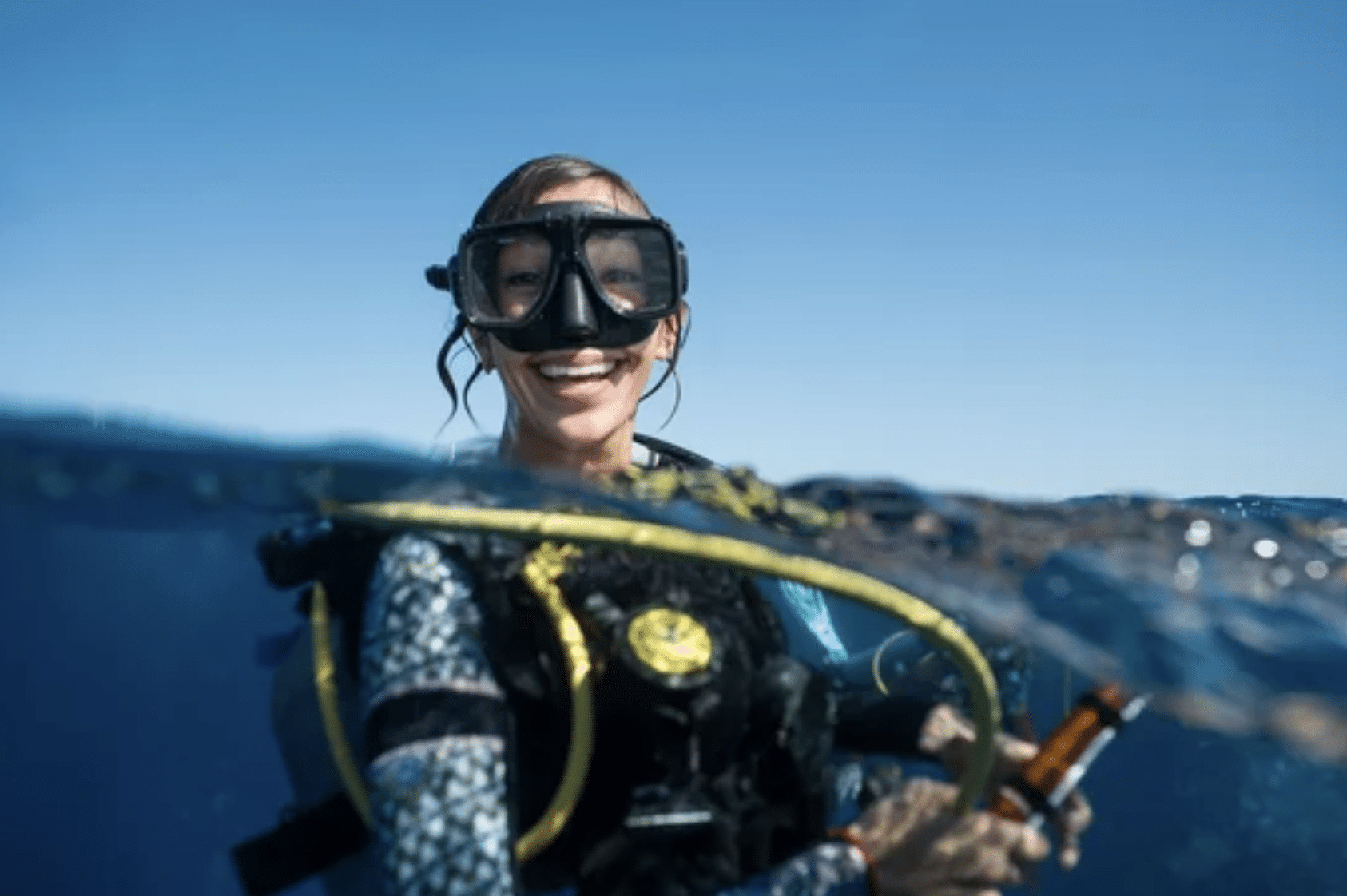
Begin Your Professional Diving Career
Contact N9BO℠ to begin your PADI Instructor Development Course and develop the knowledge, teaching ability, and professional capability required to become a PADI Assistant Instructor and Open Water Scuba Instructor.
From the N9BO℠ Knowledge Base