Understanding Cumulative Stress
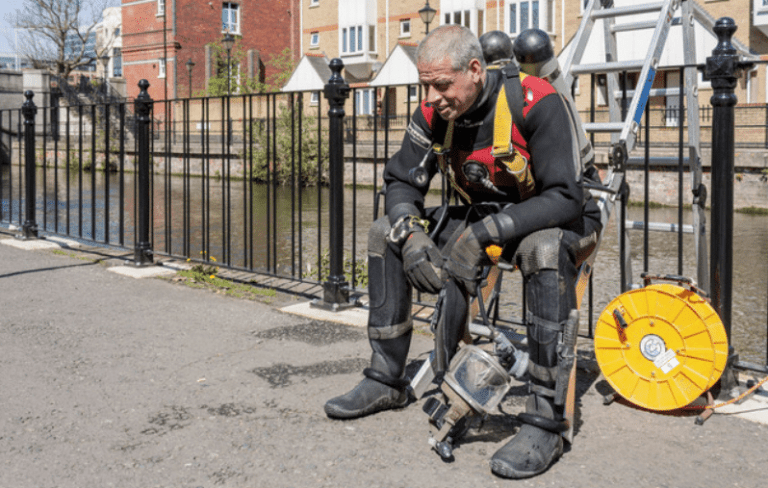
Stress in diving is often associated with critical incidents, but for professionals, the greater risk comes from cumulative exposure. Daily operations, environmental conditions, and workload contribute incrementally to physiological and psychological stress.
This accumulation is often not immediately visible. Divers may continue to perform tasks effectively while underlying stress increases.
Sources of cumulative stress include:
- Repetitive operational demands
- Environmental exposure (heat, cold, currents)
- Responsibility for students, clients, or team members
- Irregular schedules and workload variability
Over time, these factors reduce resilience and increase vulnerability to error.
At N9BO℠, we treat stress as a cumulative factor that must be actively managed, not only addressed during critical events.
Physiological and Cognitive Impact
Stress affects both physical and cognitive performance. While short-term stress may enhance alertness, prolonged exposure leads to degradation.
Physiological effects include:
- Fatigue and reduced recovery
- Increased heart rate and breathing demand
- Reduced physical endurance
Cognitive effects include:
- Reduced concentration and attention
- Impaired decision-making
- Increased susceptibility to distraction
These effects directly influence diving performance. Tasks that are normally routine become more demanding, increasing the likelihood of error.
At N9BO℠, we emphasise that stress affects performance before it becomes noticeable.
Operational Environment and Stress Factors
Dive professionals often operate in environments that introduce consistent stressors. These may not be extreme individually, but their combination creates sustained pressure.
Common operational stress factors include:
- High dive frequency with limited recovery time
- Managing multiple divers with varying skill levels
- Environmental variability such as visibility, current, and temperature
- Equipment management and logistical demands
These factors require continuous attention and adjustment, increasing cognitive load.
Without structured management, this leads to gradual fatigue and reduced performance.
At N9BO℠, we integrate environmental and operational factors into stress management planning.

Responsibility and Decision Pressure
Dive professionals carry responsibility for others. This includes ensuring safety, managing risk, and responding to unexpected situations.
This responsibility creates continuous decision pressure. Even in routine operations, professionals must:
- Monitor diver behaviour and condition
- Adjust plans based on conditions
- Maintain safety margins
Over time, this sustained responsibility contributes to stress accumulation.
The impact is often subtle. Decision-making may remain functional, but efficiency and clarity decrease.
At N9BO℠, we recognise responsibility as a primary driver of long-term stress.
Normalisation of Stress
One of the key risks is the normalisation of stress. Professionals may adapt to elevated stress levels and perceive them as normal.
Indicators of normalisation include:
- Accepting fatigue as routine
- Reduced sensitivity to early warning signs
- Increased tolerance for degraded performance
This creates a false baseline. Stress is no longer recognised as a factor requiring management.
Over time, this increases the likelihood of incident.
At N9BO℠, we emphasise awareness of baseline performance to identify deviations.
Impact on Team Dynamics
Stress does not affect individuals in isolation. It influences team behaviour and communication.
Common effects include:
- Reduced communication clarity
- Increased irritability or conflict
- Decreased coordination and cooperation
These changes may be subtle but reduce overall team effectiveness.
In operational environments, reduced team performance increases risk.
At N9BO℠, we treat team dynamics as an indicator of underlying stress levels.
Recovery and Rest Management
Effective stress management requires structured recovery. Without adequate rest, stress continues to accumulate.
Recovery involves:
- Physical rest to restore energy
- Mental disengagement from operational demands
- Adequate sleep and hydration
Irregular schedules and high workload often limit recovery opportunities.
Planning must account for recovery time, not only operational requirements.
At N9BO℠, we integrate rest management into operational planning to maintain performance.
Monitoring and Early Intervention
Early identification of stress allows for intervention before performance is affected.
Indicators include:
- Persistent fatigue
- Reduced motivation or engagement
- Difficulty concentrating
- Changes in behaviour or communication
Monitoring must be both individual and team-based. Supervisors and peers play a role in recognising changes.
Intervention may involve adjusting workload, providing rest, or modifying operational demands.
At N9BO℠, we emphasise proactive monitoring to prevent escalation.
Training and Resilience Development
Training can improve resilience to stress. This includes both technical and psychological preparation.
Key areas include:
- Scenario-based training to build confidence
- Stress exposure in controlled environments
- Development of coping strategies
Resilience does not eliminate stress but improves the ability to manage it.
At N9BO℠, we integrate resilience training into professional development programmes.
Operational Mindset
Stress accumulation is a predictable outcome of professional diving. It cannot be avoided, but it can be managed.
Maintaining performance requires awareness, structured recovery, and operational discipline. Ignoring stress leads to gradual degradation that may not be immediately visible but has significant consequences.
At N9BO℠, we treat stress management as part of operational control. It is integrated into planning, training, and supervision.
In professional environments, long-term performance is not defined by endurance alone, but by the ability to manage cumulative exposure.

Manage Stress Before It Affects Performance
Contact N9BO℠ to integrate human performance and stress management strategies into your dive operations, ensuring sustained capability and reduced long-term risk.
From the N9BO℠ Knowledge Base