Overhead Is Not a Single Category
From a distance, caves and mines appear similar: no direct ascent, complex navigation, and zero tolerance for mistakes.
In practice, they represent two very different risk profiles. Treating them as interchangeable environments is a common—and dangerous—error in overhead diving.
Natural Caves: Dynamic and Living Systems
Caves are shaped by water, geology, and time.
They feature:
- Irregular passages
- Variable flow and silt
- Fragile formations
- Biological ecosystems
Cave environments continue to evolve, often unpredictably. Cave training focuses heavily on environmental awareness and adaptation.
Flooded Mines: Static but Deceptive
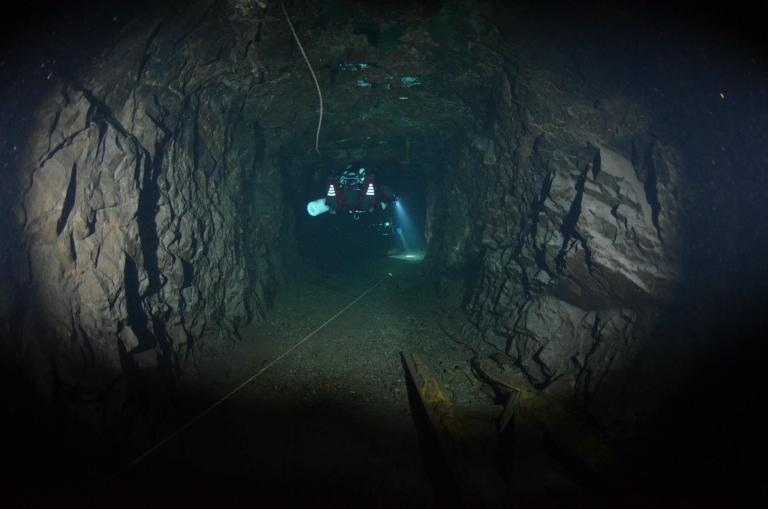
Mines are human-made structures.
They often include:
- Sharp edges and metal hazards
- Collapsing timbers
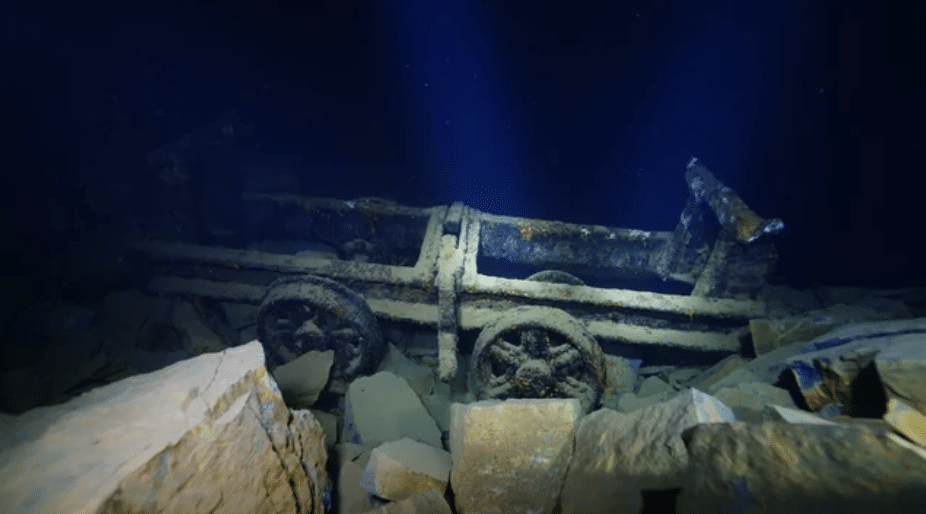
- Rusted machinery
- Explosive residues
- Multiple levels and vertical shafts
While mines may appear stable, their hazards are hidden and cumulative.

Structural Failure Risk
Cave collapses tend to be geological and rare but catastrophic.
Mine collapses can be progressive, triggered by corrosion, vibration, or contact. Mine diving training must address induced instability, not just navigation.
Navigation Complexity Differs
Caves follow natural passage logic—flow, sediment patterns, and geomorphology.
Mines follow industrial logic—levels, adits, shafts, and crosscuts. Without proper mine-specific training, divers misinterpret layouts dangerously.
Instructor Perspective: Unlearning Assumptions
Instructors frequently observe experienced cave divers underestimating mine hazards.
At N9BO℠, overhead training emphasises environment-specific thinking—what works in caves may fail catastrophically in mines.
Gas and Equipment Considerations
Mine diving often involves:
- Confined vertical transitions
- Abrupt depth changes
- Sharp contact risks
Equipment protection and gas planning must be adapted accordingly. Overhead discipline alone is insufficient without contextual adjustment.

Contamination and Visibility
Mines frequently contain:
- Fine industrial silt
- Chemical residues
- Oil and metal particulates
Visibility loss can be immediate and absolute. Mine training emphasises conservative penetration and rapid exit capability.
Psychological Load
Mines feel unnatural—rectilinear, claustrophobic, and disorienting.
Stress responses differ significantly from natural caves. Professional training addresses psychological adaptation explicitly.
Legal and Ethical Considerations
Many mines are privately owned, unstable, or historically significant.
Access carries legal and ethical implications that must be respected. Professional overhead training includes access responsibility.
The Bottom Line
Caves and mines share the overhead constraint—but little else.
Safe diving in either environment requires dedicated, environment-specific training. Assumptions are the enemy of survival.
At N9BO℠, overhead education respects the fundamental differences between caves and mines—because experience in one does not guarantee safety in the other.
Interested in Overhead Environment Training?
Cave and mine environments require specialised procedures and disciplined training progression. Contact us to discuss appropriate overhead training pathways.
From the N9BO℠ Knowledge Base