Proximity Does Not Equal Teamwork
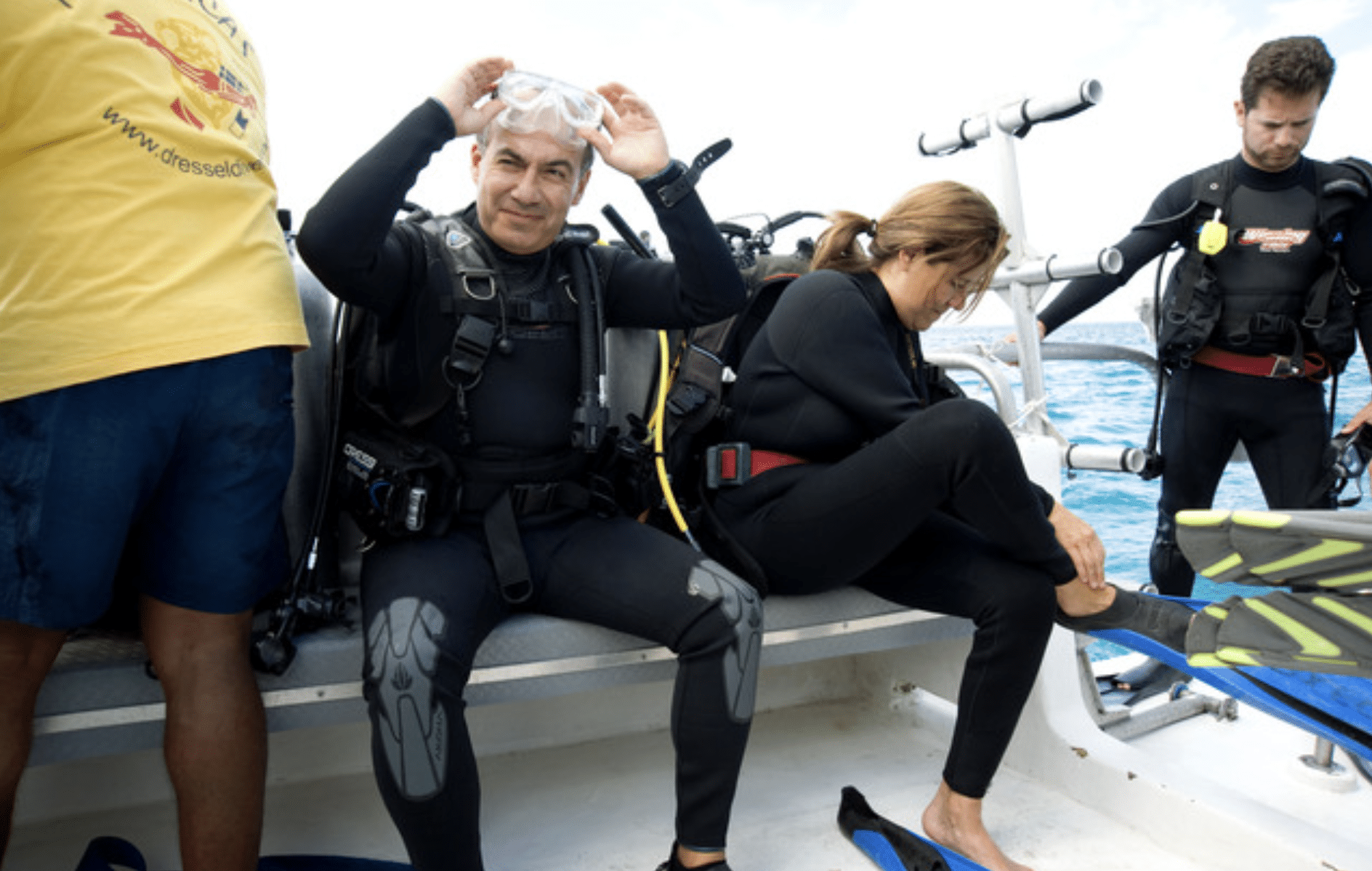
Many divers believe they are “diving as a team” simply because others are nearby.
In reality, without defined roles, communication protocols, and shared expectations, divers operate independently. Professional technical diving training treats team function as a deliberate system—not an assumption.
What Defines a Real Dive Team
A true team shares:
- Clear roles and responsibilities
- Agreed procedures
- Common situational awareness
- Mutual accountability
These elements must be trained. Advanced technical diving progression formalises team behaviour explicitly.
The Danger of Assumed Support
Divers often assume teammates will notice problems and intervene.
This assumption is unreliable. Without training, attention is fragmented. Technical diving training eliminates vague expectations and replaces them with explicit responsibility.
Communication Is the Backbone of Team Diving
Team diving fails when communication is unclear, inconsistent, or absent.
Professional teams use standardised signals, pre-briefed contingencies, and disciplined check-ins. Advanced technical diving progression treats communication as a safety-critical skill.

Instructor Perspective: Teaching Predictability
Instructors frequently see divers working at cross-purposes underwater.
At N9BO℠, instructors emphasise predictability—steady movement, clear signals, and deliberate pacing—so teammates can anticipate actions.
Role Clarity Reduces Task Load
When roles are undefined, everyone does everything—and no one does it well.
Professional training assigns roles clearly, reducing confusion and cognitive load. Technical diving training uses role clarity to stabilise teams.
Team Awareness Extends Beyond Yourself
Team divers monitor:
- Position
- Body language
- Breathing rate
- Speed and posture
This awareness is learned. Advanced technical diving progression integrates team scanning into all exercises.

Team Failure Modes Are Predictable
Common team failures include:
- Silent separation
- Task fixation by one diver
- Conflicting priorities
- Unchallenged deviations
Professional training anticipates and mitigates these patterns. Technical diving training addresses them proactively.
Trust Is Built Through Training, Not Familiarity
Familiarity breeds comfort—but not reliability.
Trust in teams comes from knowing how others will respond under stress. Advanced technical diving progression builds trust through repeated verification.
Professional Parallels
In aviation and emergency response, teams train together extensively.
Diving follows the same model. Teams are built—not improvised.
The Bottom Line
Being close to others does not make you a team.
Teamwork must be trained.
In professional diving, safety emerges from predictable, disciplined team behaviour—not assumptions or proximity.
At N9BO℠, team diving is taught as a core operational skill.
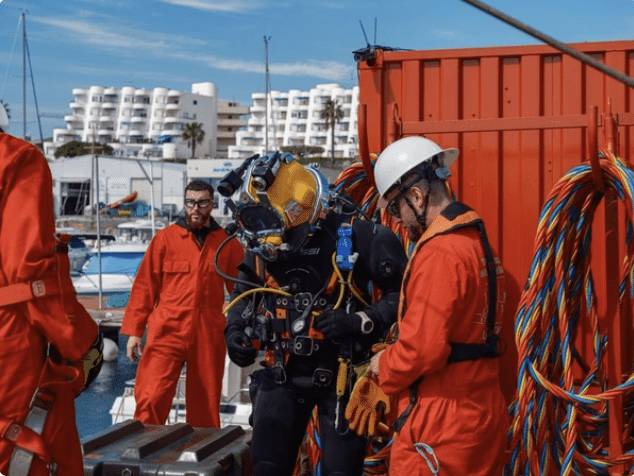
Want to Improve Team Diving Skills?
Effective team diving requires structure, communication, and shared procedures. Contact us to discuss training that builds real team capability underwater.
From the N9BO℠ Knowledge Base