What Is Underwater Hunting and Collecting?
Humans have gathered food from the sea for thousands of years. Long before scuba equipment existed, coastal communities relied upon breath-hold diving, fishing, and harvesting techniques to collect food and resources from the ocean.
Modern scuba equipment allows divers to access underwater environments safely and efficiently, opening opportunities to collect shellfish, crustaceans, and other legally permitted marine species while exploring the underwater world.
The SDI Underwater Hunter and Collector Diver course introduces divers to these activities in a structured and responsible manner. The emphasis is not simply on collecting marine resources but on doing so safely, ethically, and within local laws and regulations.
At N9BO℠, we believe that responsible harvesting begins with knowledge, preparation, and respect for the marine environment.
Understanding Local Laws and Regulations
One of the most important lessons within the course is understanding that underwater hunting and collecting are highly regulated activities in many parts of the world.
Species protections, seasonal closures, size limits, catch limits, protected areas, and equipment restrictions may all apply depending on location.
Successful underwater hunters understand that legal compliance is not optional. It is a fundamental responsibility.
Divers learn how to research local regulations, identify protected species, and understand harvesting restrictions before entering the water.
At N9BO℠, we teach that the first step in collecting anything underwater is knowing whether it can be collected at all.
Developing Species Identification Skills
Responsible collection depends on accurate identification.
Divers must be able to distinguish between:
- Legal and protected species
- Mature and juvenile animals
- Harvestable and non-harvestable organisms
- Similar-looking species with different regulations
Incorrect identification can lead to environmental damage, regulatory violations, and unnecessary impacts on marine ecosystems.
The course encourages divers to develop observation skills and species knowledge before attempting collection activities.
At N9BO℠, we believe that identification skills are just as important as diving skills when harvesting marine resources.
Safe Collection Techniques
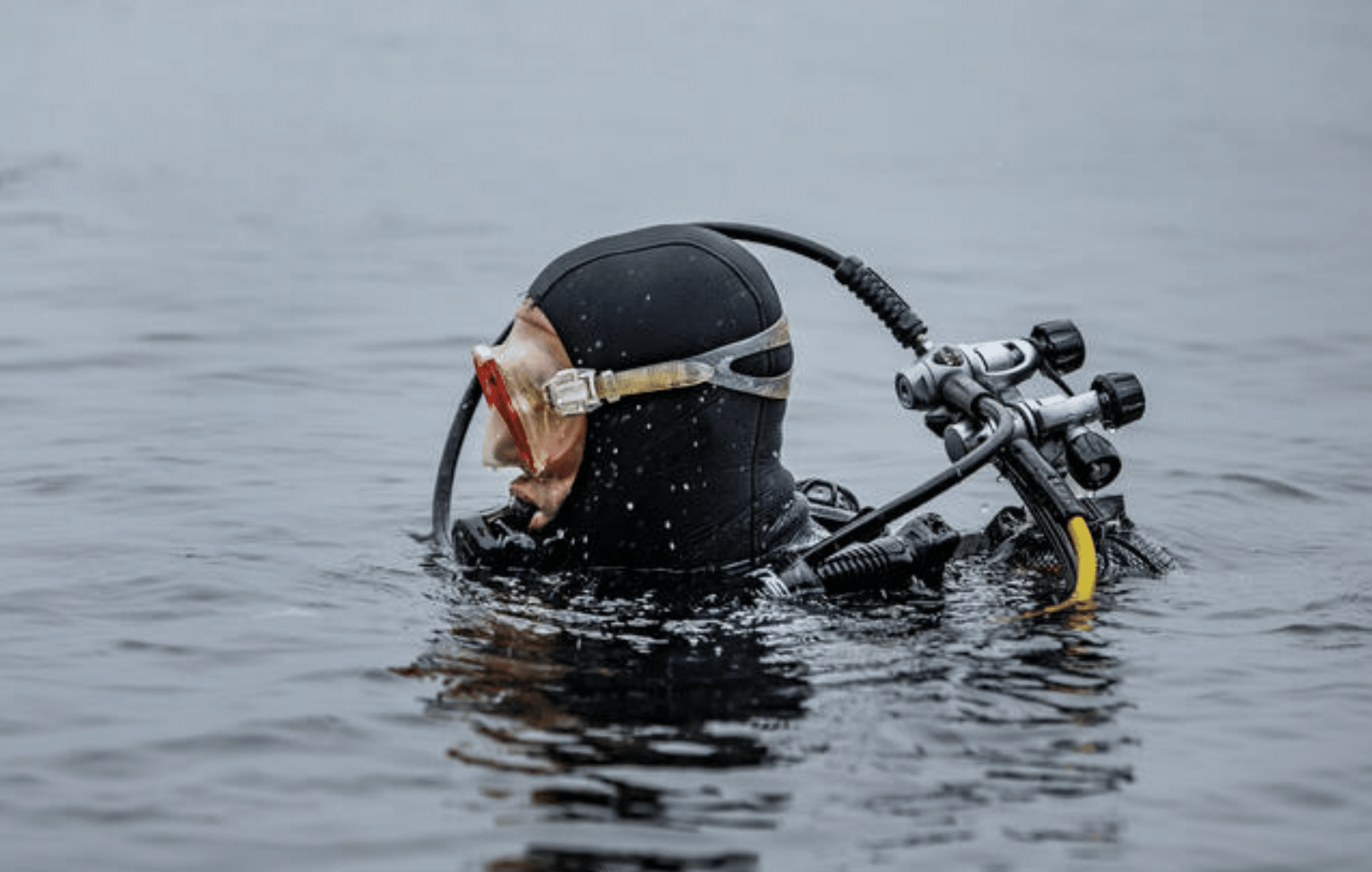
Collecting marine resources underwater requires specialised techniques that differ significantly from ordinary recreational diving.
Divers learn how to:
- Approach target species safely
- Use collection equipment responsibly
- Maintain buoyancy while handling objects
- Secure collected items properly
- Avoid damaging surrounding habitats
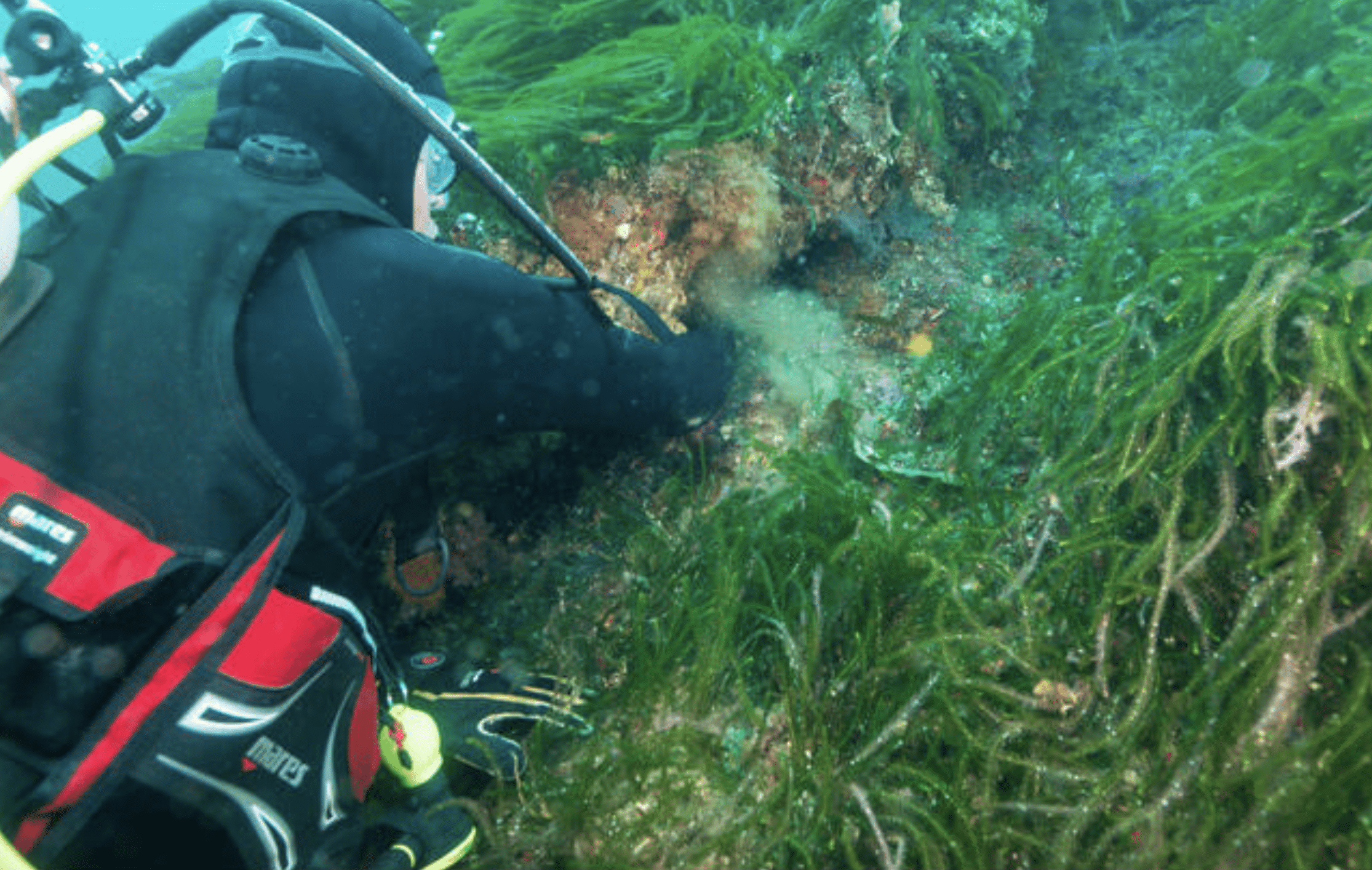
The focus remains on efficient collection while minimising environmental disturbance.
Good technique protects both the diver and the ecosystem.
At N9BO℠, we emphasise that successful harvesting should leave the environment looking largely untouched.
Buoyancy and Environmental Protection
One of the biggest challenges for underwater collectors is maintaining excellent buoyancy control while focusing on a target.
Divers concentrating on a shellfish, lobster, or other marine resource can easily lose awareness of their position and unintentionally damage reefs, seagrass beds, or other sensitive habitats.
The course reinforces:
- Precise buoyancy control
- Situational awareness
- Proper finning techniques
- Environmental stewardship
These skills help divers interact with the underwater environment responsibly.
At N9BO℠, we teach that environmental protection should never be sacrificed for a successful collection.
Planning the Dive
As with any diving activity, proper planning plays a critical role.
Underwater hunters and collectors must consider:
- Tides
- Currents
- Visibility
- Bottom conditions
- Local regulations
- Target species behaviour
Effective planning improves both safety and success.
Divers quickly discover that understanding environmental conditions often contributes more to success than spending additional time underwater.
At N9BO℠, we believe preparation is one of the most valuable tools any diver can carry.
Harvesting Sustainably
The long-term future of underwater hunting and collecting depends on sustainability.
The course promotes responsible practices such as:
- Taking only what is needed
- Respecting size and catch limits
- Avoiding breeding individuals where appropriate
- Minimising habitat disturbance
- Following local conservation measures
Sustainable harvesting ensures that future generations of divers can continue enjoying the same opportunities.
At N9BO℠, we view conservation and harvesting as complementary responsibilities rather than opposing concepts.
Developing Self-Reliance Underwater
Underwater collection activities often require divers to divide their attention between navigation, buoyancy, marine life observation, and collection tasks.
As a result, participants develop:
- Increased situational awareness
- Better buoyancy control
- Enhanced task management
- Improved underwater observation skills
- Greater environmental understanding
These abilities frequently improve overall diving competence far beyond the speciality itself.
At N9BO℠, we find that many divers become more observant and more capable after learning to hunt and collect responsibly.
More Than Collecting Food
While many divers initially pursue the course because of an interest in harvesting seafood, the programme often creates a deeper appreciation for marine ecosystems.
Understanding species behaviour, habitat requirements, breeding cycles, and environmental relationships helps divers become more knowledgeable ocean users.
The course encourages participants to view themselves as stewards of the marine environment rather than simply consumers of its resources.
At N9BO℠, we believe the best underwater hunters are often among the strongest advocates for marine conservation.
Operational Mindset
The SDI Underwater Hunter and Collector Diver course reinforces a simple but important principle: responsible collection begins with responsibility.
Successful underwater hunters develop:
- Environmental awareness
- Species knowledge
- Sound judgement
- Strong buoyancy skills
- Respect for regulations
These qualities contribute to safer diving and more sustainable use of marine resources.
At N9BO℠, we approach underwater hunting and collecting as a combination of skill, discipline, and stewardship.
The goal is not simply to take something from the ocean. The goal is to interact with it responsibly while ensuring its long-term health and sustainability.
Learn to Harvest Responsibly
Contact N9BO℠ to enrol in the SDI Underwater Hunter and Collector Diver course and develop the knowledge, environmental awareness, and practical skills required for safe and sustainable underwater harvesting.
From the N9BO℠ Knowledge Base