
Why Programme Management Matters in Diving
Many dive operations operate reactively:
- Adjusting schedules last minute.
- Managing staff informally.
- Overlooking documentation gaps.
- Relying on memory instead of process.
- Responding to incidents instead of preventing them.
Programme management introduces:
Structure.
Predictability.
Risk reduction.
Operational clarity.
A well-managed programme protects:
Safety.
Reputation.
Revenue.
The Role of the Base Leader
The base leader or manager is responsible for:
- Instructor allocation.
- Standards compliance.
- Equipment readiness.
- Gas management.
- Safety briefings.
- Incident response.
- Customer experience.
- Financial oversight.
Without structured management tools:
The role becomes reactive and exhausting.
With systems:
Leadership becomes controlled and sustainable.
What Programme Management Workshops Cover
Workshops typically include:
- Operational workflow design.
- Risk mapping for daily dive schedules.
- Instructor performance evaluation.
- Asset lifecycle tracking.
- Gas and cylinder management oversight.
- Documentation control systems.
- Incident reporting structure.
- Staff communication protocols.
The focus is not theory.
It is operational practicality.
From Chaos to Structure
Common issues in dive centres include:
Overlapping bookings.
Instructor overload.
Under-maintained equipment.
Incomplete paperwork.
Unclear responsibility chains.
Delayed emergency responses.
Programme management workshops teach:
Clear role assignment.
Decision-making hierarchy.
Workflow standardisation.
Daily risk briefings.
Post-operation debrief structure.
Order reduces stress.

Safety Through Systems
Incidents often arise not from:
Major mistakes.
But from:
Small system failures.
Examples include:
Cylinder inspection oversight.
Incomplete medical form review.
Unclear gas analysis documentation.
Missed maintenance schedule.
Miscommunication between instructors.
Programme management integrates:
Preventative structure.
Systems reduce human error probability.
Financial Stability Through Planning
Programme management addresses:
Course pricing strategy.
Seasonal staffing balance.
Equipment investment timing.
Marketing alignment.
Cash flow forecasting.
Many dive centres struggle financially because:
Operational planning is weak.
Strong programme management supports:
Sustainable profitability.
Staff Performance and Accountability
Workshops include:
Instructor evaluation frameworks.
Feedback systems.
Standards compliance audits.
Professional development pathways.
Conflict resolution strategy.
Clear accountability:
Protects morale.
Unclear expectations create:
Operational friction.
Communication Protocols
Daily operations depend on:
Clear communication.
Workshops emphasise:
Morning operational briefings.
Clear written dive plans.
Emergency contact clarity.
Surface support coordination.
Structured handover between shifts.
Miscommunication is a leading risk multiplier.
Structure reduces ambiguity.
Risk Management and Emergency Preparedness
Programme management includes:
Emergency action plan testing.
Role assignment in crisis.
Evacuation protocols.
Medical incident documentation.
Post-incident review.
Leaders must:
Model calm decision-making.
Preparedness builds confidence.

Asset and Equipment Oversight
Dive operations rely on:
Compressors.
Cylinders.
Regulators.
BCD systems.
Boats.
DPVs.
Rebreathers.
Oxygen kits.
Workshops introduce:
Maintenance tracking systems.
Inspection calendars.
Responsibility assignment.
Usage monitoring.
Asset neglect creates:
Operational vulnerability.
Operational Discipline at N9BO℠
At N9BO℠, programme management workshops are delivered with:
Real-world scenarios.
Operational case studies.
Structured planning tools.
Leadership mindset development.
Risk assessment exercises.
We emphasise:
Professional restraint.
System-based thinking.
Standards alignment.
Long-term sustainability.
Leadership is behaviour.
Structure protects behaviour.
Who Should Attend
Ideal participants include:
- Dive centre managers.
- Resort operations managers.
- Base leaders.
- Senior instructors transitioning to management.
- Technical programme coordinators.
Programme management benefits:
Both small centres and multi-site operations.
Long-Term Impact
Structured programme management results in:
Lower incident rates.
Higher staff retention.
Improved customer satisfaction.
Stronger financial control.
Better reputation.
Reduced stress for leadership.
Chaos drains energy.
Systems conserve it.
Final Perspective
Dive centre success is not built on:
Daily improvisation.
It is built on:
Clear structure.
Risk awareness.
Financial discipline.
Professional accountability.
Programme management workshops provide:
The tools.
Leadership determines the application.
Strong leaders build safe operations.
Safe operations build sustainable businesses.
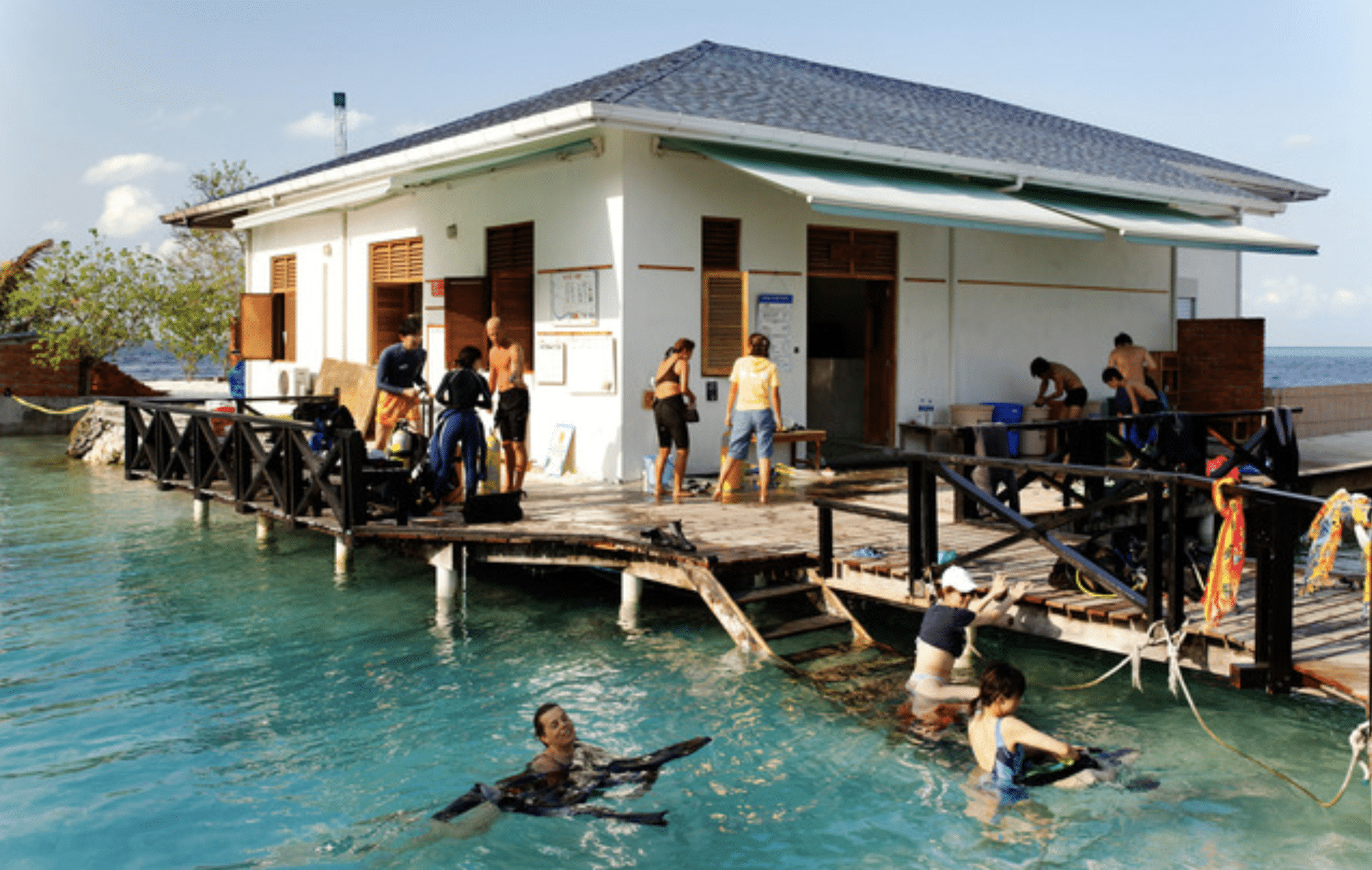
Strengthen Your Dive Centre Leadership Structure
Contact N9BO℠ to organise a programme management workshop for managers and base leaders focused on operational control and sustainable growth.
From the N9BO℠ Knowledge Base





